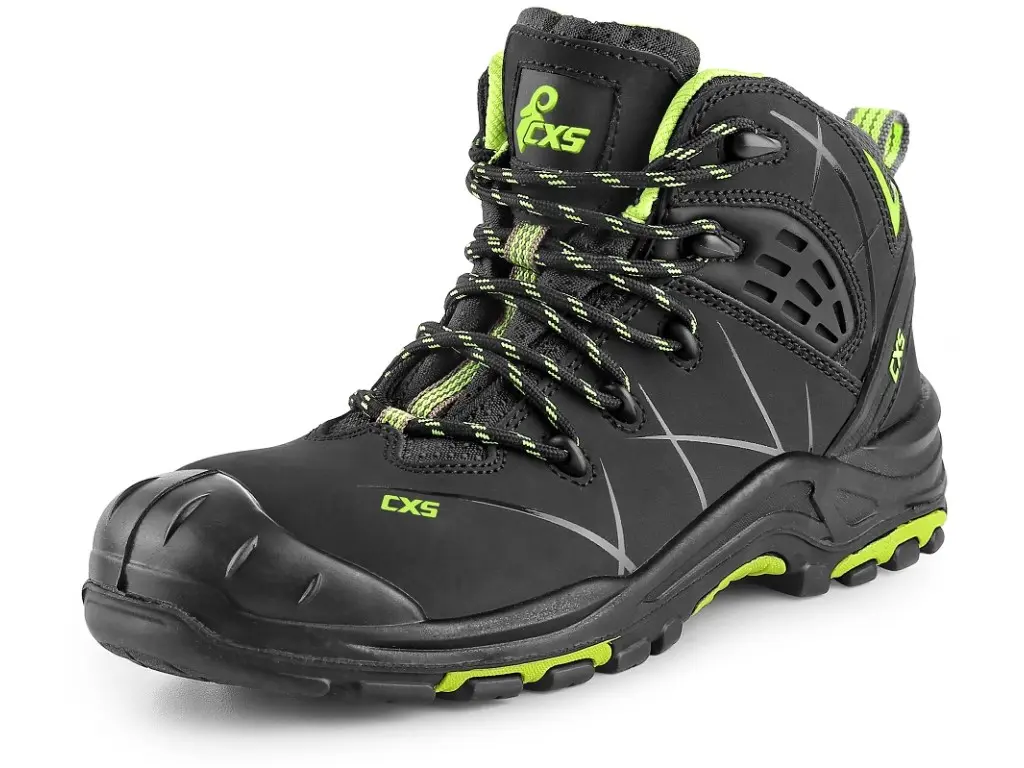
Category WORK SHOES

Shop The 5 Biggest Safety Shoe Trends for 2026
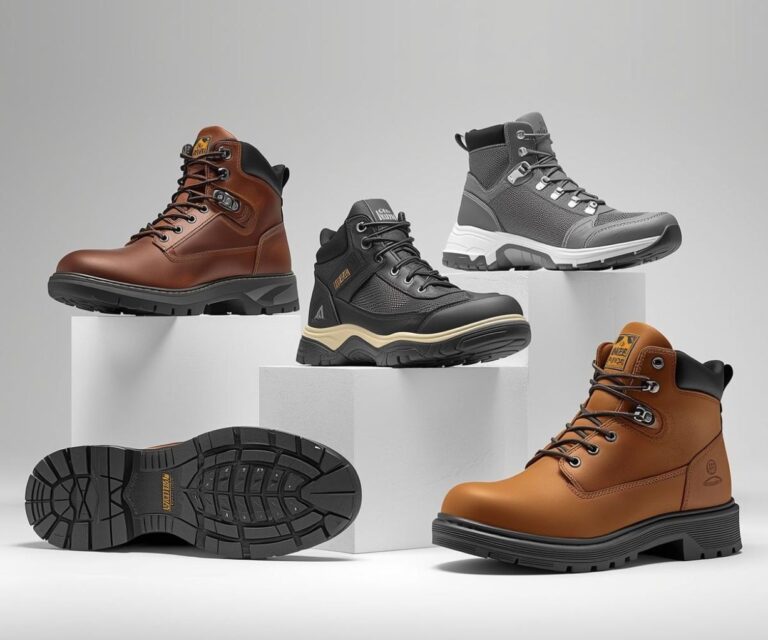
Overview of the 5 biggest safety shoe trends for 2025, including lightweight, waterproof, and anti-slip designs

The safety footwear industry is evolving faster than ever, driven by innovative materials, enhanced ergonomics and a growing demand for comfort. Modern workers expect not only protection but also lightweight construction, breathability and a more athletic look. In 2026, the market is dominated by five major trends that significantly improve both safety and everyday comfort. In this article, we present the 5 biggest safety shoe trends you should know before choosing your next pair. These trends are shaping the future of workplace footwear across construction, logistics, warehousing and industrial environments.

1. Ultra-Lightweight S1/S3 Shoes with Composite Toe Caps

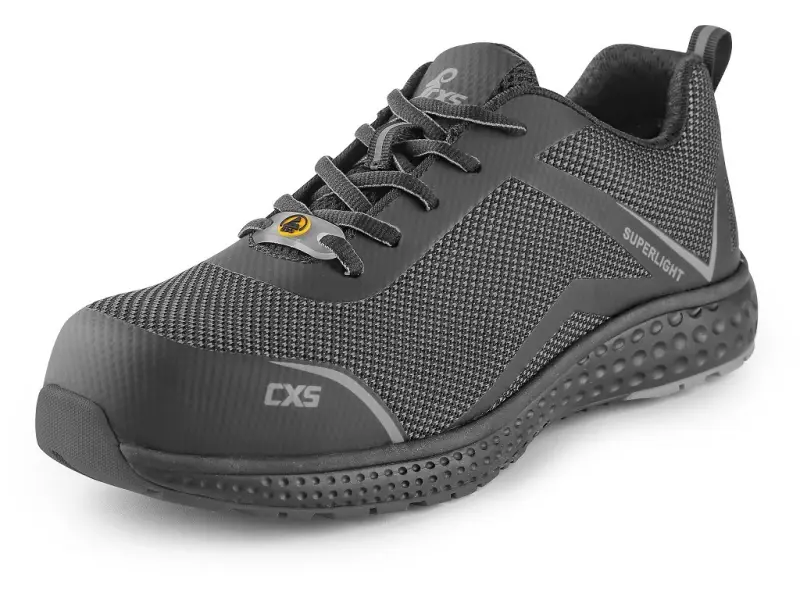
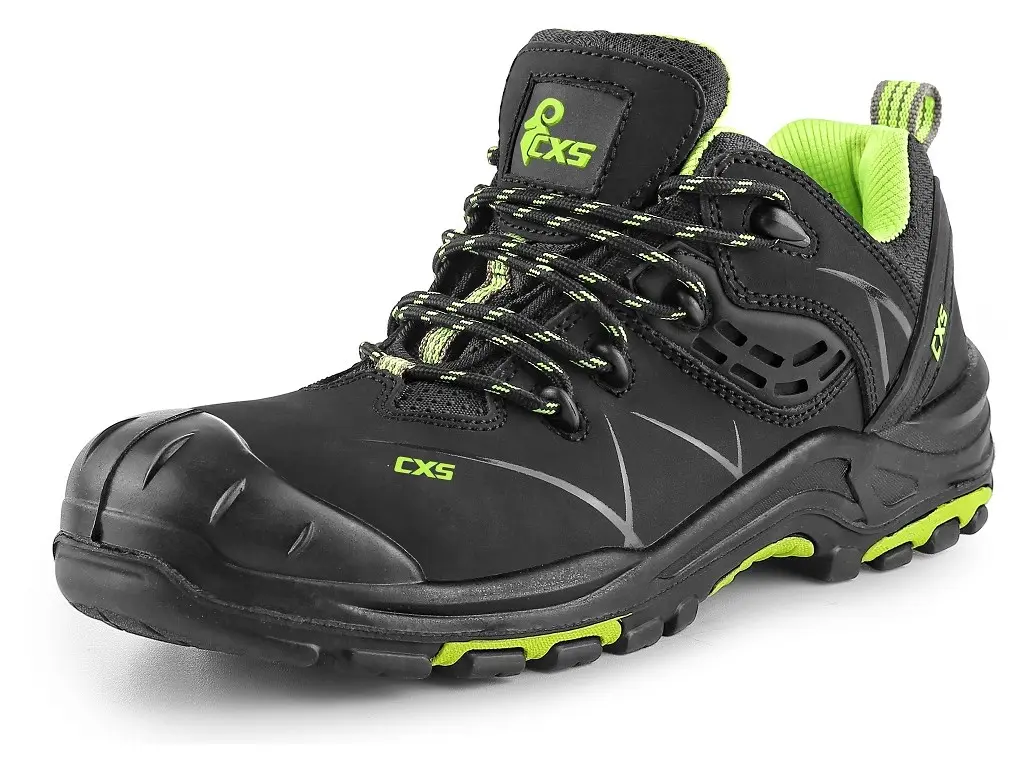
Composite toe caps are replacing steel in many modern safety shoes due to their lightweight construction and high durability. They reduce overall fatigue during long work shifts, especially for employees who move frequently. Composite materials do not conduct heat or cold, offering improved thermal comfort in changing weather conditions. These shoes also provide greater flexibility compared to traditional steel-toe models, making movement easier and more natural. Despite their light weight, composite toe caps fully meet S1 and S3 safety standards, ensuring complete protection. In 2026, they are especially popular in logistics, production, warehousing and transport. This trend strongly reflects the industry’s shift toward comfort without compromising safety.
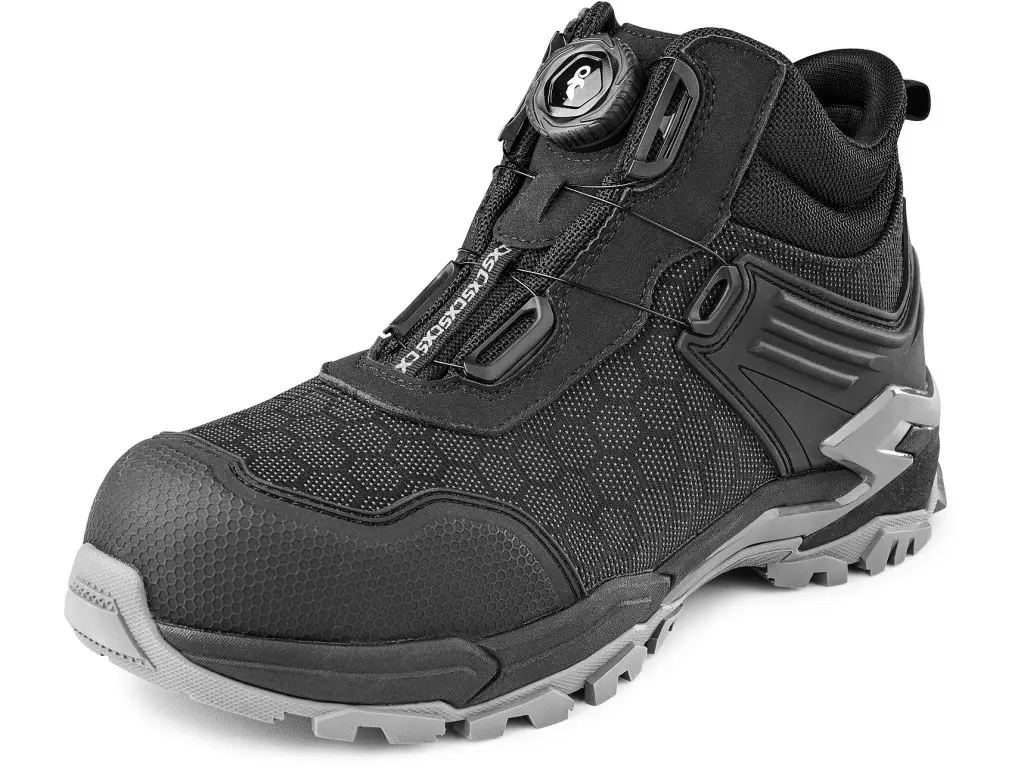
2. Safety Sneakers with a Sport-Inspired Look

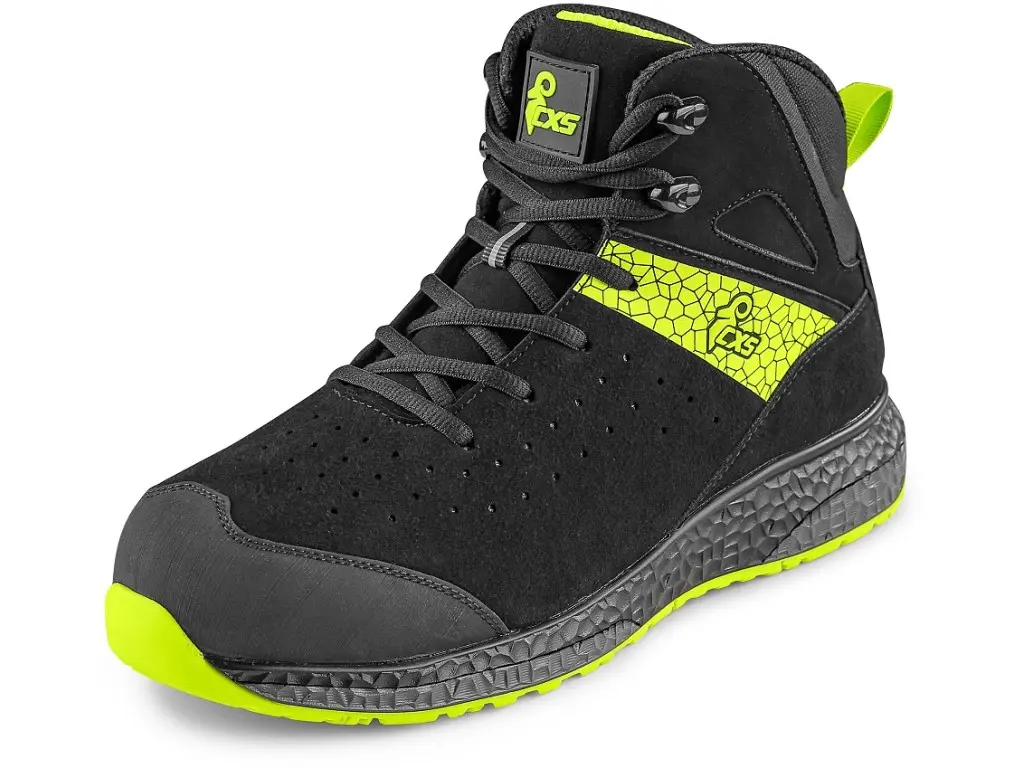
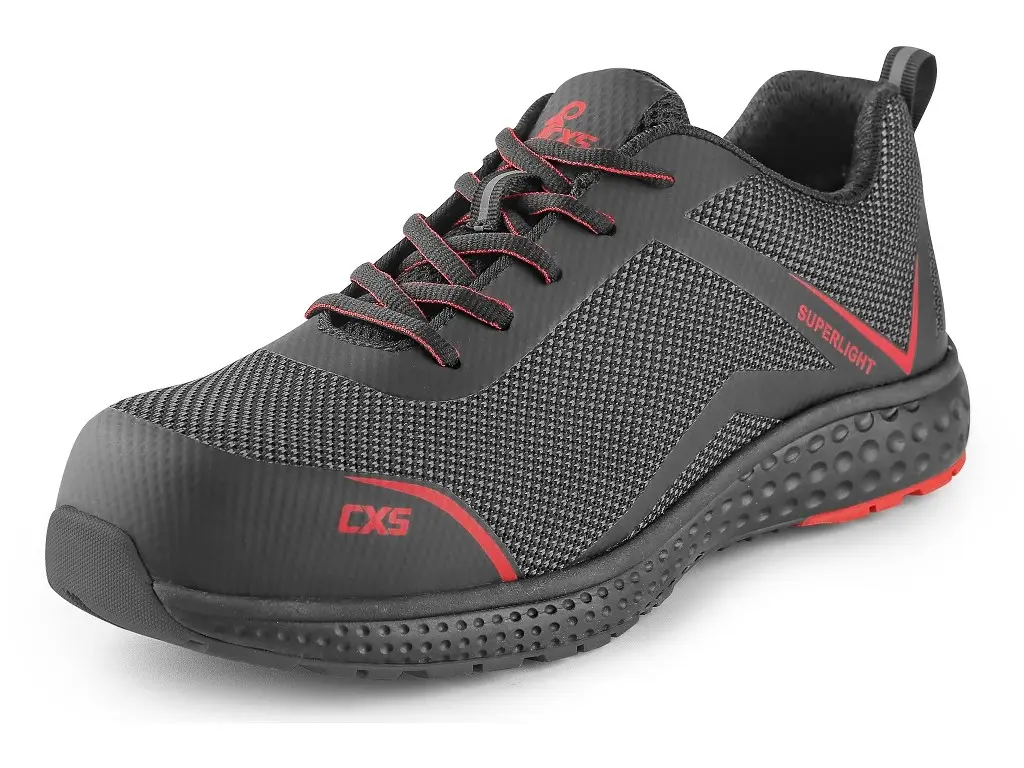
Safety sneakers merge modern athletic style with certified workplace protection, becoming one of the most popular categories in 2026. They resemble traditional lifestyle sneakers, yet meet S1P or S3 safety requirements. Their design often includes flexible uppers, cushioned midsoles and lightweight materials used in professional running shoes. This results in a very high level of everyday comfort for workers who stay active throughout the day. Safety sneakers are ideal in warehouses, courier services, retail environments and light industry. Many models also provide excellent breathability, making them suitable for warm work environments. For employees who value both style and safety, safety sneakers are an unbeatable choice.
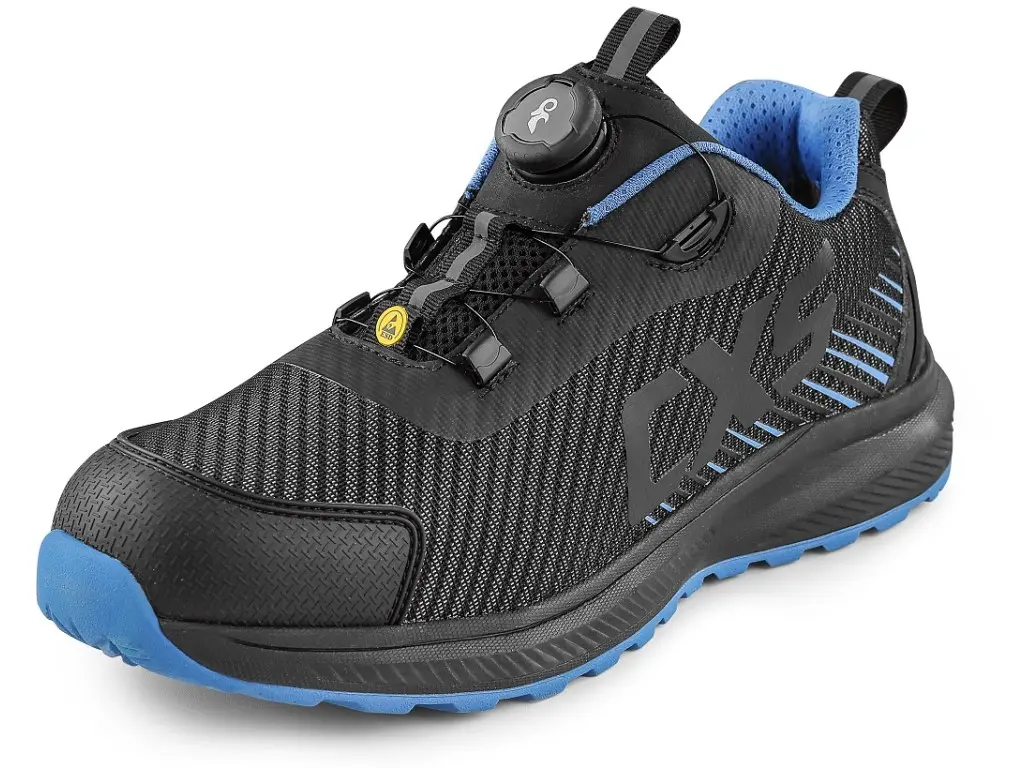
3. Maximum Cushioning and Anti-Fatigue Technology
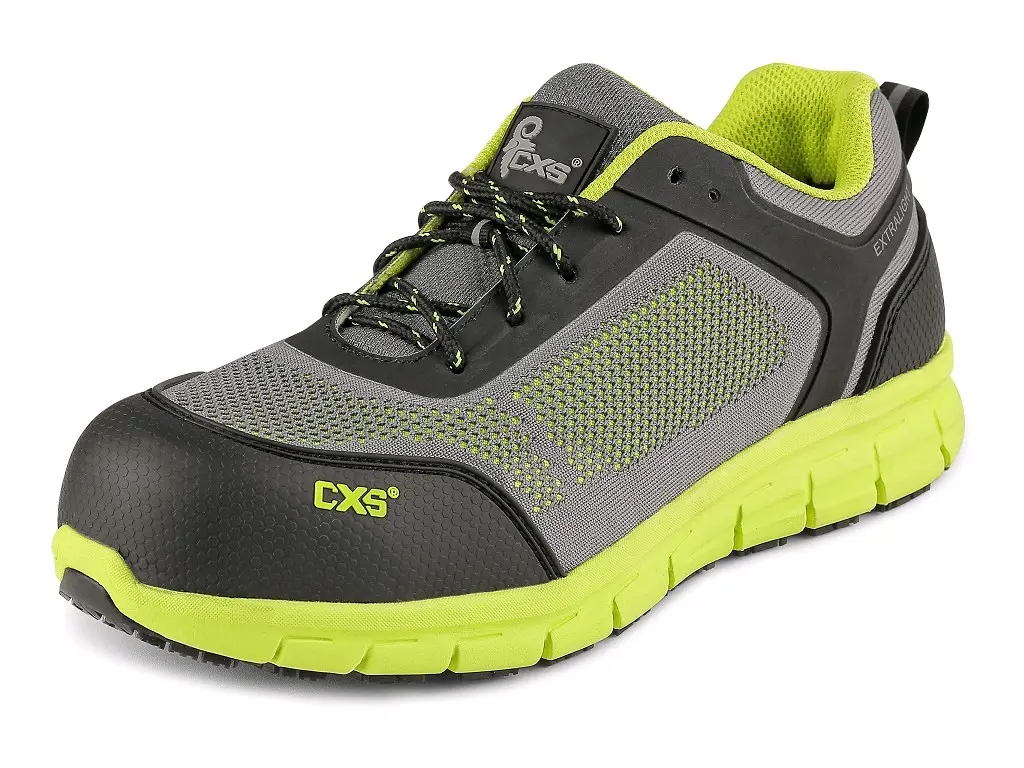
Safety shoes with enhanced cushioning technology are becoming standard across multiple industries. EVA and dual-density PU midsoles offer effective shock absorption and reduce the strain on joints. The anti-fatigue systems used in modern footwear help support natural foot movement and decrease fatigue during long work shifts. These shoes are especially beneficial for workers standing on concrete or other hard industrial surfaces. The cushioning technology minimizes micro-shocks that accumulate throughout the day, improving overall comfort. Employees report reduced foot and leg fatigue, which positively affects work performance and well-being. In 2026, many brands adapt technologies from running shoes to meet the needs of the safety footwear sector.

4. Waterproof and Breathable Safety Boots

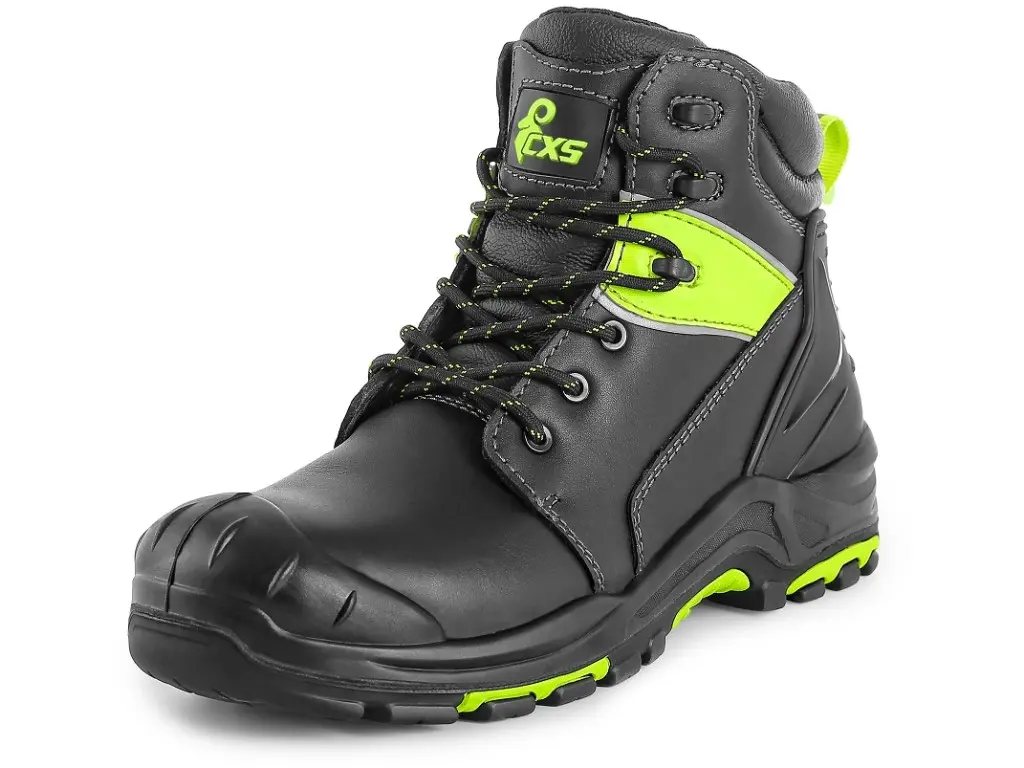
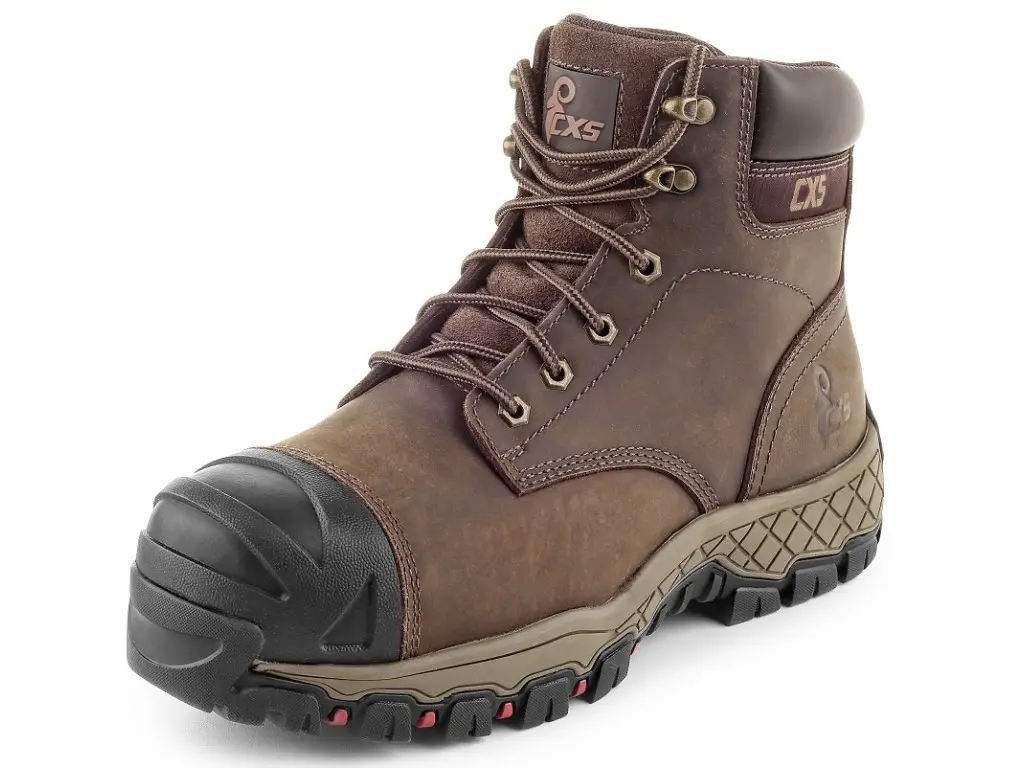
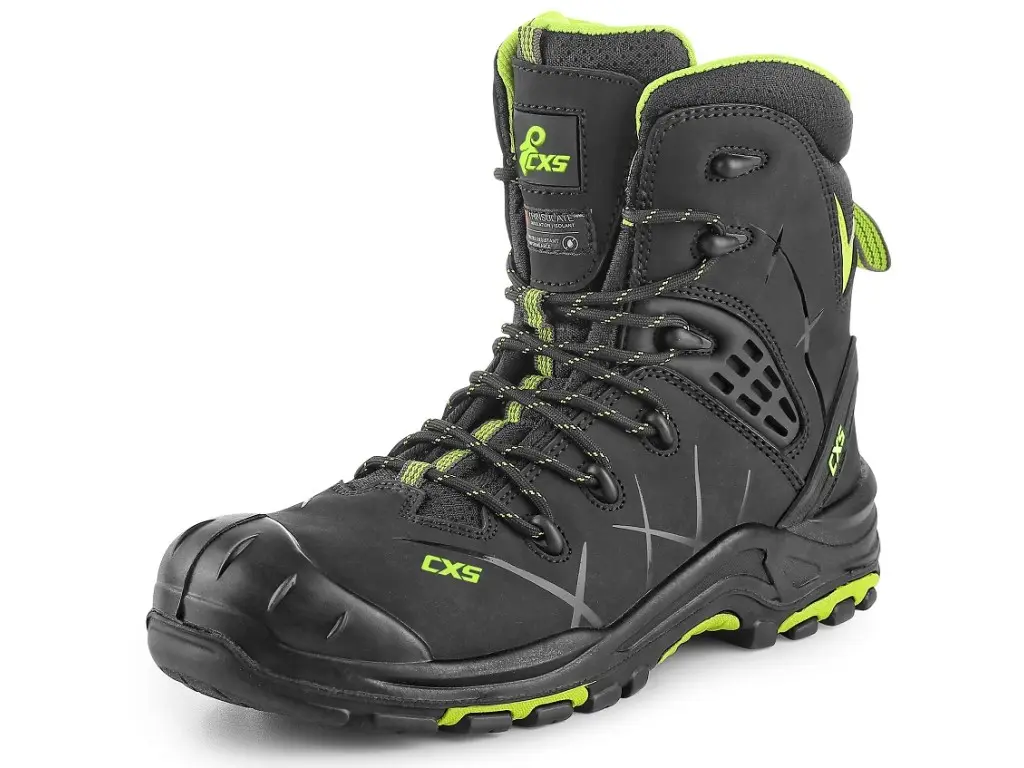
In construction, logistics and outdoor work environments, S3 WR waterproof safety boots are becoming increasingly essential. New-generation waterproof membranes offer both moisture protection and high breathability. This keeps the foot dry not only during rain but also during periods of intense activity. Many models feature a higher upper design, providing additional defense against water, mud and dirt. Waterproof safety boots also tend to be more durable, using abrasion-resistant materials that extend their lifespan. Workers appreciate their versatility, as they perform well both indoors and outdoors. This trend is one of the most practical developments in safety footwear for 2026.
5. SRC Slip-Resistant Footwear for Hazardous Surfaces

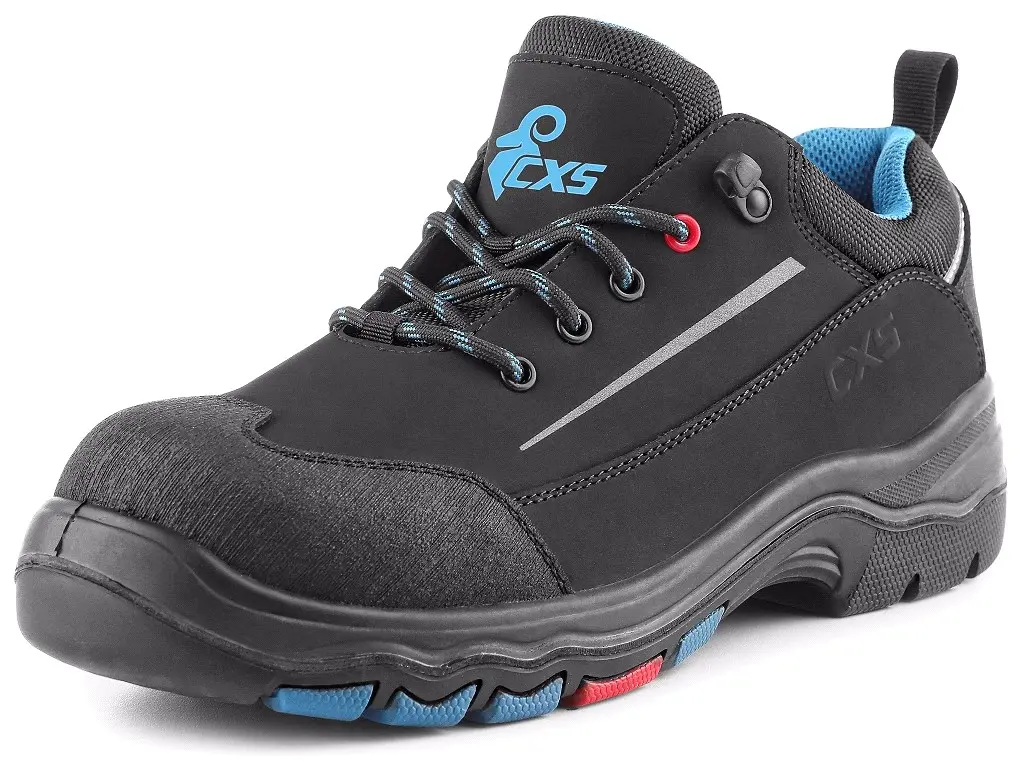
SRC-certified outsoles are essential for workplaces requiring maximum traction on slippery surfaces. These safety shoes undergo rigorous testing on wet and oily floors to ensure their anti-slip performance. In 2026, manufacturers are using new rubber compounds and innovative tread patterns that significantly improve grip. Slip-resistant shoes are widely used in logistics, industry, warehousing, gastronomy and maintenance sectors. Their modern construction is also becoming lighter, enhancing comfort without reducing stability. Many companies now consider SRC-certified shoes mandatory equipment due to the reduction in slip-related accidents. This trend plays a crucial role in improving workplace safety across various industries.
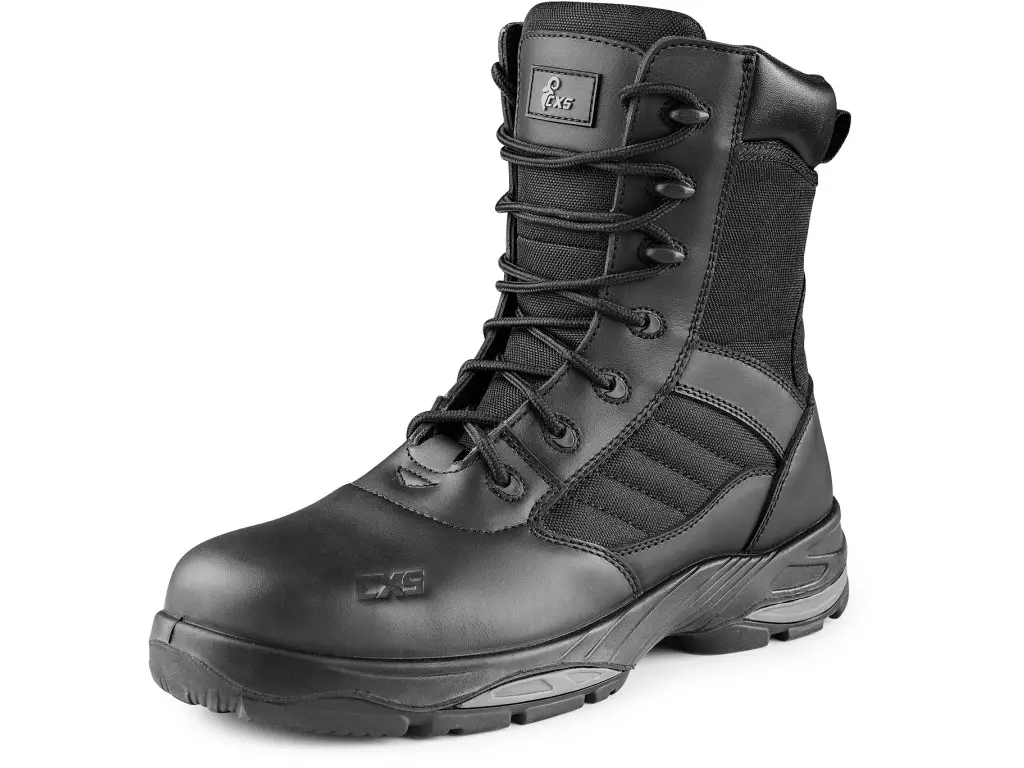
The biggest safety shoe trends of 2026 focus on lightweight design, comfort and maximum protection. Composite toe caps, sport-style construction, advanced cushioning, waterproof membranes and SRC-certified traction significantly enhance daily work conditions. When choosing new safety shoes, it’s worth selecting models that incorporate modern solutions increasing both comfort and safety. These trends clearly show that professional footwear is no longer only about protection – it’s about smarter, more ergonomic design for everyday performance.
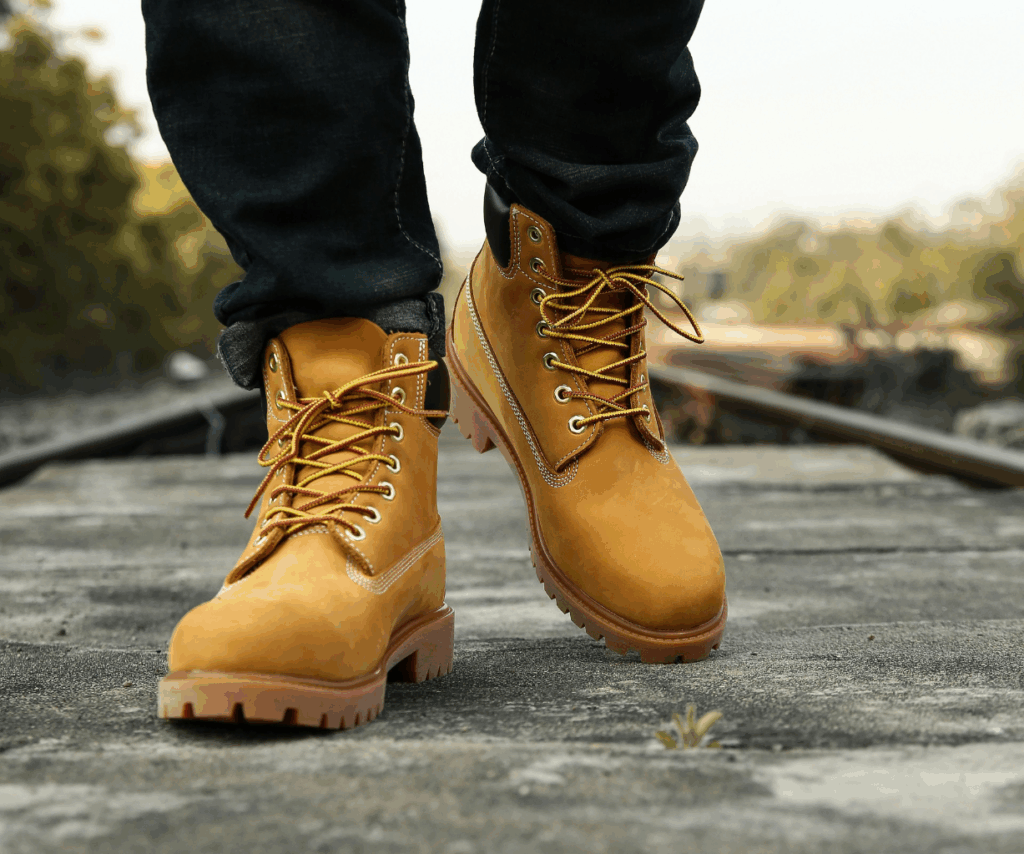
Work Smarter, Not Harder: Safety Boots That Protect and Comfort

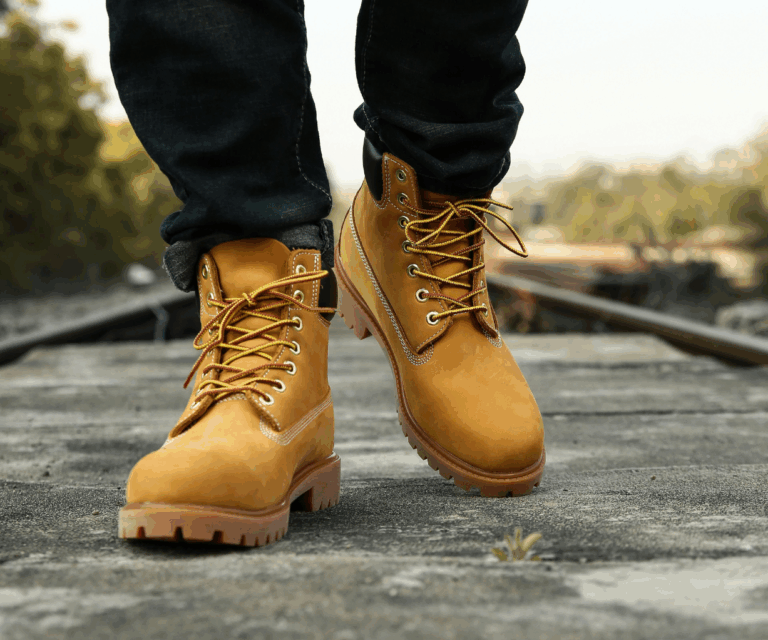
Close-up of durable composite toe safety boots for workplace safety

Work Smarter, Not Harder
Safety Boots That Protect and Comfort

Foot safety is a critical yet often overlooked aspect of workplace protection. Wearing the right safety boots shields your feet from potential hazards like falling objects, sharp tools, or slippery surfaces. It also ensures comfort throughout long workdays. Striking the right balance between protection and comfort is essential for maintaining productivity and preventing fatigue or injury.

In this article, we’ll guide you through everything you need to know about safety boots.
This includes understanding safety standards, assessing your job’s specific requirements, identifying essential features, and choosing the right materials.
By the end, you’ll know how to select boots that keep your feet safe, supported, and comfortable.
The right safety boots will allow you to work smarter, not harder.

Decoding Safety Standards for Your Work Shoes

Understanding safety standards is crucial when choosing work footwear that truly protects your feet. Different standards exist globally, ensuring that boots meet specific safety requirements for various industries and work environments.

Safety Footwear Classes: From SB to S7
What They Mean & When to Choose

Work boots in Europe are classified according to the standard EN ISO 20345. Each class (SB, S1, S2, S3, S4, S5, S6, S7) defines a set of required protective features. Understanding these classes helps you pick footwear that matches the hazards in your workplace – from light warehouse tasks to heavy-duty construction or industrial jobs.


SB – Basic Protection

  • Boots rated SB provide minimum protection: a safety toe cap that resists impact and compression (protection against 200 J impact / ~15 kN compression).

  • Heel may be open, which reduces stability – SB boots are rarely a good choice for demanding work environments.

  • Suitable only for light tasks with minimal risk – for example occasional manual labor or areas with low foot-hazard exposure.

S1 – Basic Protection + Heel Protection, Antistatic & Heel Energy Absorption

Compared to SB, S1 boots add:

  • Closed heel for stability and better fit.

  • Antistatic properties to reduce build-up of static electricity.

  • Heel energy absorption to increase comfort during long hours standing or walking.

  • Resistance to fuel and oil (though in some newer versions of the standard this may be an optional feature).

S1 boots are ideal for dry workplaces such as warehouses, light logistics, indoor maintenance – where foot protection is needed but exposure to water or severe hazards is low.

S1P – S1 plus Midsole Puncture Resistance

  • Includes all S1 features, plus a puncture-resistant midsole under the foot.

  • Useful in environments where there may be nails, metal shards, glass or other sharp objects on the floor – for example workshops, light assembly, or renovation work.

S2 – S1 + Water Penetration Resistance

  • Adds water resistance: the upper part of the boot is resistant to water penetration and absorption for a defined time.
  • Appropriate for workplaces where humidity, occasional rain, or damp surfaces are expected – but no high risk of puncture or slip.
  • Common choice for light outdoor work, transport, logistics, or warehouse tasks in damp conditions.
  •  

S3 – Full Protection: Water Resistance, Puncture Resistance, Slip Resistance

S3 boots combine S2 features with additional protections:

  • Puncture-resistant midsole – protection against nails, shards, metal debris, etc.

  • Robust outsole with deep tread for improved grip – better stability on wet, uneven, muddy or slippery terrain.

  • Water resistance in upper, closed heel, toe protection, and overall protective construction.

S3 is the most common and recommended safety class for demanding jobs: construction, heavy industry, warehousing, transport – where hazards include impact, puncture, moisture and poor footing.

S4 – Full Rubber/Polymer Waterproof Boots

  • Boots made entirely of waterproof rubber or polymer – fully waterproof from sole to shaft.

  • Provide basic protective features (safety toe, closed heel, basic slip resistance), but built to withstand water, mud, chemicals or wet conditions.

  • Often used in industries such as food processing, sanitation, agriculture, cleaning, or any environment where liquid exposure is frequent.

S5 – S4 + Puncture-Resistant Midsole & Enhanced Sole Grip

  • All features of S4, plus a puncture-resistant midsole and improved outsole grip and tread.
  • Provides high protection in wet, muddy, chemical or otherwise hazardous environments.
  • Ideal for heavy-duty outdoor work, industrial cleaning, agriculture, chemical plants, or any setting combining liquid exposure and risk of puncture.
  •  

S6 & S7 – Enhanced Waterproofing Plus Full Safety Features (Proposed / Extended Classes)

Some implementations reference S6 and S7, extending the concept further:

  • S6: comparable to S2 but requiring the entire boot (not just upper) to be waterproof – offering protection in continuously wet or damp working conditions.

  • S7: analogous to S3, but with full waterproof boot construction – combining safety toe, puncture resistance, slip-resistant sole, closed heel, and complete water protection.

These classes are aimed at work in very demanding outdoor conditions: construction sites, terrain works, constant exposure to water, mud or heavy rain – where both safety and full waterproofing are required.

  •  

Special Symbols and Labels for Extra Protection

Beyond class markings, safety boots often feature additional symbols indicating extra protective qualities. These may include:

  • Antistatic properties to prevent electrical hazards.
  • Waterproofing for wet environments.
  • Slip-resistant soles for improved traction on slick surfaces.

Recognizing these symbols is vital for selecting boots suited to your specific work conditions. They provide an at-a-glance guide to important safety features that enhance protection and performance throughout your day.

Matching Your Work Environment to the Right Safety Boots

Choosing the right safety boots starts with understanding the specific hazards present in your workplace. Every job comes with unique risks, and selecting footwear that addresses those risks is essential for both protection and comfort.

Recognizing Workplace Hazards That Affect Footwear Choice

Workplace hazards can vary widely, including:

  • Heavy objects that could fall or roll onto your feet.
  • Sharp tools or nails that may puncture the sole.
  • Chemicals or oils that can damage materials or cause slipping.
  • Slippery or uneven surfaces that require extra grip.

Identifying these hazards helps you determine which safety features are most critical, such as reinforced toes, puncture-resistant soles, or slip-resistant outsoles.

Recommended Safety Boots by Industry and Job Type

Different industries have specific requirements for safety footwear:

  • Construction: Boots with reinforced toes, durable leather, and strong ankle support.
  • Warehousing: Lightweight, slip-resistant boots for extended periods of standing or walking.
  • Industrial/Manufacturing: Puncture-resistant soles and chemical-resistant materials.
  • Hospitality/Gastronomy: Non-slip, water-resistant boots suitable for wet kitchens.
  • Healthcare: Comfortable, anti-fatigue soles and easy-to-clean materials.

When choosing boots for a particular sector, consider both the physical hazards and the work environment to ensure the footwear provides maximum safety without compromising comfort.

Protection Essentials: What to Check Before Buying

When evaluating safety boots, pay close attention to protective features:

  • Reinforced toe caps: Steel or composite toes shield your feet from heavy impacts.
  • Puncture- and slip-resistant soles: Essential for preventing injuries from sharp objects, slippery surfaces, oils, and chemicals.
  • Ankle support and stability: Helps reduce the risk of twists, sprains, and long-term fatigue.

Comfort Enhancements for Long Shifts

Even the most protective boots need to feel comfortable during extended hours:

  • Cushioned insoles and orthotic support: Reduce pressure and fatigue.
  • Ergonomic fit: Boots should match the natural shape of your foot for proper alignment and comfort.
  • Moisture-wicking and ventilated materials: Keep feet dry, cool, and comfortable throughout the day.

Durability Factors: Materials and Craftsmanship

Durable boots save money and keep you safe longer:

  • Material selection: High-quality leather, rubber, and synthetic options each offer unique benefits for protection and wear.
  • Construction quality: Strong stitching, reinforced soles, and careful craftsmanship increase longevity.
  • Lifespan considerations: Properly constructed boots can withstand heavy daily use, making them a smart investment.

Must-Have Features in Safety Footwear

Selecting the right safety boots isn’t just about compliance – it’s about ensuring your feet are protected, comfortable, and supported throughout your workday. Several key features can make all the difference.

Finding the Sweet Spot Between Safety and Comfort

Choosing the right safety boots is not just about protection – it’s about finding the balance that keeps your feet safe and comfortable throughout the workday.

Why Balancing Protection with Comfort Matters

Boots that are too stiff may offer excellent protection but can lead to discomfort, blisters, and long-term foot problems. On the other hand, boots that are too soft might feel comfortable initially but fail to provide adequate safety against impacts, punctures, or slips. Striking the right balance ensures your footwear delivers both reliable protection and lasting comfort, which is essential for maintaining productivity and foot health.

Tips for Proper Fit and Minimizing Foot Fatigue

Ensuring a proper fit is key to reducing fatigue and preventing injury:

  • Measure your feet accurately and try different sizes to find the best fit.
  • Use high-quality insoles, moisture-wicking socks, and adjust lacing properly to support your arches and heels.
  • Take breaks when possible and choose boots that distribute weight evenly to minimize stress during long shifts.

With the right combination of fit, support, and protection, your safety boots can keep you working efficiently without compromising comfort.

Choosing the Right Materials for Your Safety Boots

The materials used in safety boots play a major role in both protection and comfort. Selecting the right material ensures your footwear can handle the demands of your job while keeping your feet comfortable all day.

Leather, Rubber, and Synthetics: Which Works Best?

Each material has unique advantages and limitations:

  • Leather: Durable, naturally breathable, and resistant to wear. Ideal for construction or industrial environments, though it may require more maintenance.
  • Rubber: Excellent for wet or slippery conditions, providing water resistance and slip protection. Can be heavier and less breathable than leather.
  • Synthetic materials: Lightweight, often water-resistant, and low-maintenance. Suitable for jobs requiring mobility or in environments with moderate hazards.

Choosing the right material depends on your work environment, the level of protection required, and your personal comfort preferences.

Breathable vs. Waterproof Options for Different Jobs

  • Breathable boots: Allow air circulation to keep feet dry and cool, perfect for warm or indoor work environments.
  • Waterproof boots: Essential for wet conditions, outdoor work, or exposure to chemicals and liquids.

Consider the climate, type of work, and hazards you face daily. The right choice helps maintain comfort and prevents issues like sweating, blisters, or discomfort from prolonged exposure to moisture.

Extra Factors to Consider: Style, Weight, and Price

While protection and comfort are the most important aspects of safety boots, additional factors can influence your overall experience and satisfaction.

  • Weight: Heavier boots can increase foot fatigue during long shifts, while lightweight options help maintain energy and reduce strain.
  • Style and design: Although functionality is key, a boot that looks professional or fits your personal style can improve confidence and workplace satisfaction.
  • Budget and value: Investing in high-quality boots may cost more upfront, but durable materials and craftsmanship often result in longer-lasting footwear, offering better value over time.

Considering these factors alongside safety features ensures you select boots that meet both your practical needs and personal preferences.

Final Thoughts: Investing in the Right Safety Boots

Invest wisely in your safety boots – your feet will thank you, and your performance on the job will reflect the careful choice you made.

Choosing the right safety boots is an investment in both your safety and long-term comfort. When selecting footwear, it’s essential to consider protection, ergonomic fit, and durability to ensure your feet are safeguarded during every workday.

By understanding safety standards, assessing workplace hazards, and evaluating features such as materials, support, and slip resistance, you can make an informed decision. The right boots not only prevent injuries but also enhance comfort and productivity, allowing you to work efficiently and confidently.