Category Trends

High-Visibility, Waterproof, Durable: Best Workwear for 2026
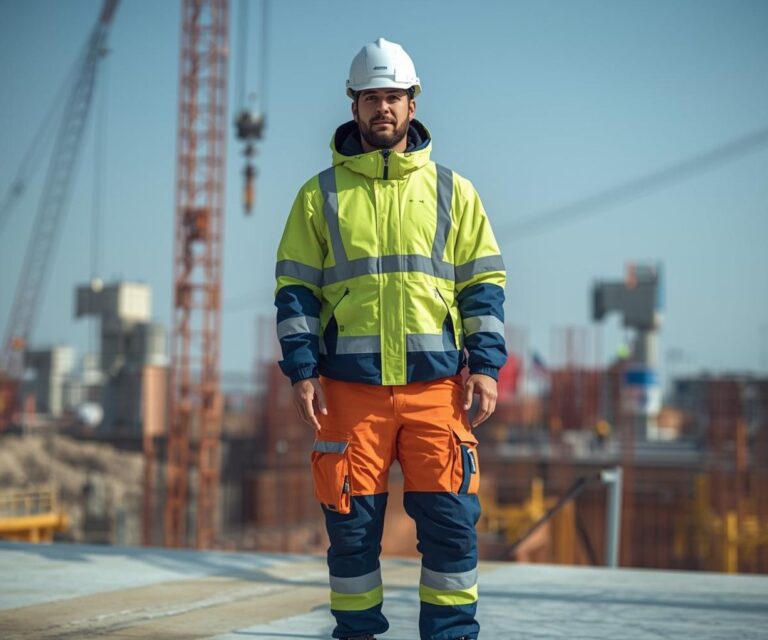
Worker wearing high-visibility, waterproof, and durable workwear in industrial setting – top workwear trends 2025

In 2026, professional workwear is defined by three essential features: high visibility, waterproof performance, and exceptional durability. Modern workplaces – construction sites, logistics hubs, warehouses, transport routes, and outdoor environments – require clothing that protects the worker while improving comfort and efficiency. This article explains why these features matter and presents real examples from the CXS / CANIS SAFETY brand.

Why High-Visibility Workwear Matters in 2026

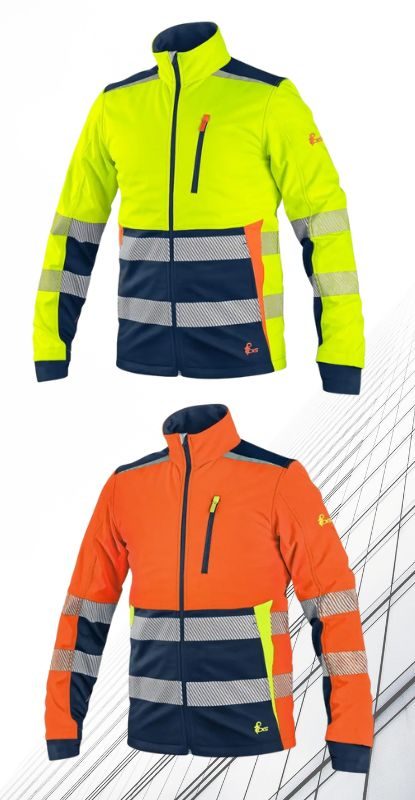
high-visibility jacket with reflective tapes for safety

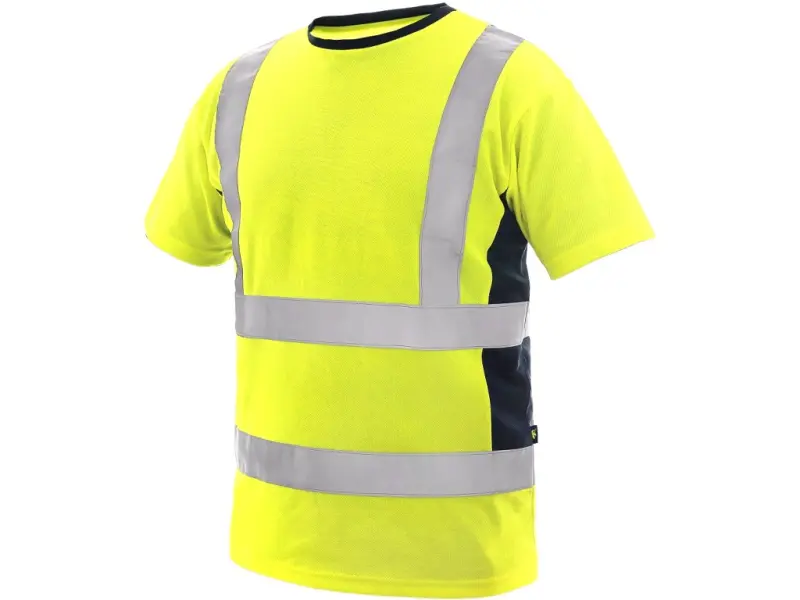
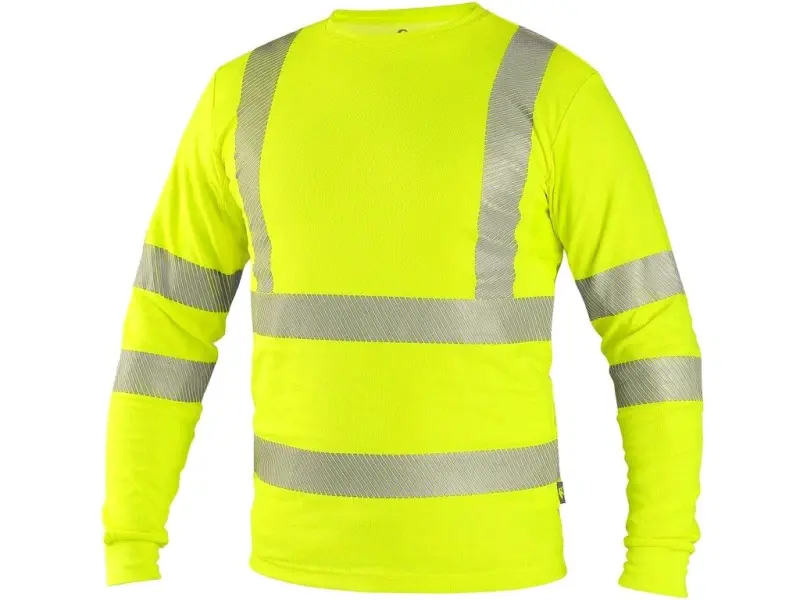
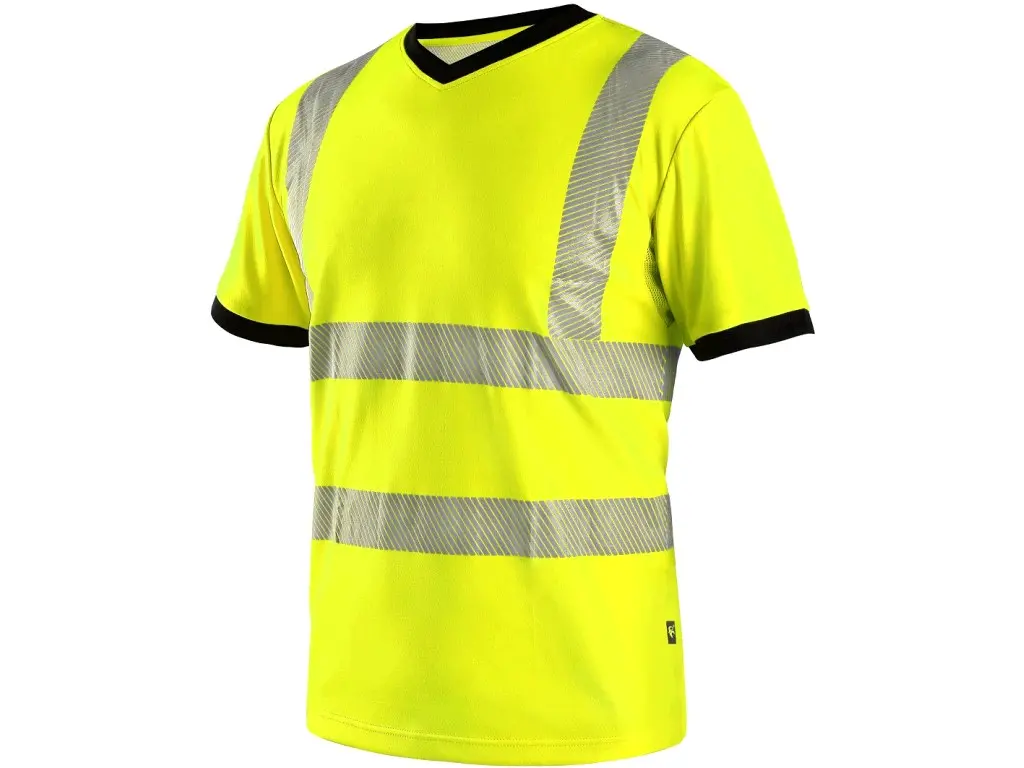
High-visibility clothing significantly reduces the risk of accidents by ensuring workers are clearly seen in low-light, high-traffic, or hazardous environments.

  • Hi-vis fabrics and reflective tapes ensure workers are visible from all directions.

  • This is essential for construction sites, road work, transport operations, and warehouse logistics.

  • Visibility helps prevent collisions with machines, forklifts, and vehicles.

  • High-visibility garments are often compliant with safety visibility standards.

  • They enhance team coordination by making workers easily identifiable.

  • In 2026, more industries require hi-vis as a mandatory standard, increasing its importance.


Examples from CXS / CANIS SAFETY:

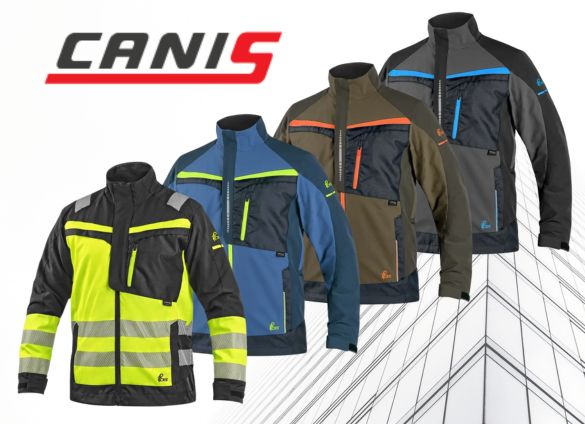
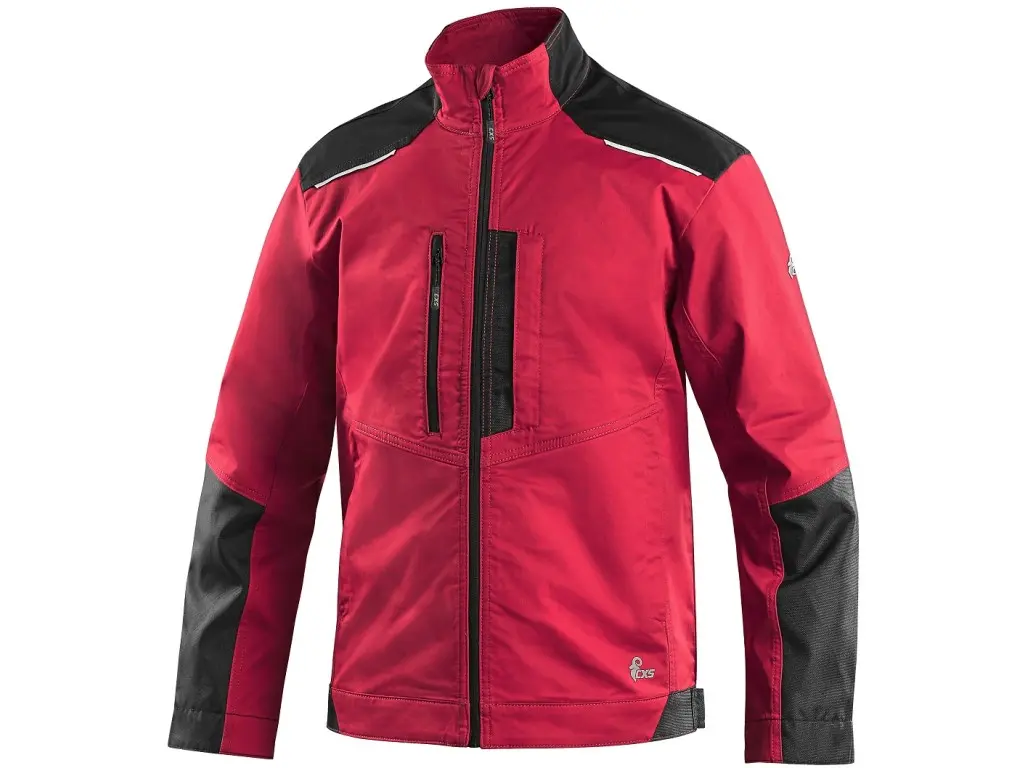
  • CXS BENSON softshell – high-visibility softshell with reflective tapes, wind and water resistance.

  • CXS BEDFORD high-visibility jacket – ideal for roadwork and construction zones.

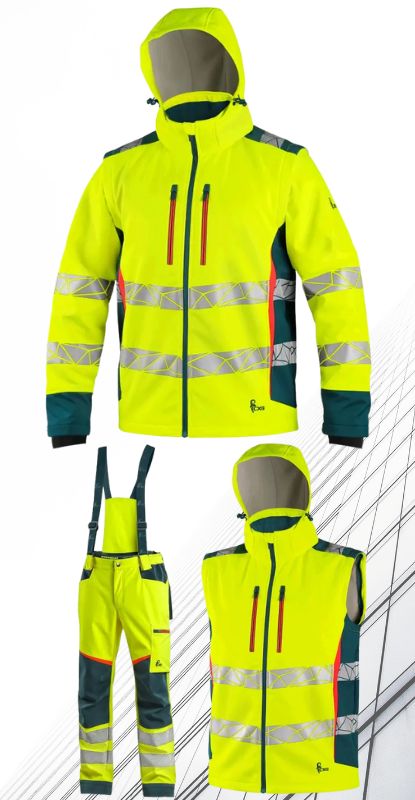
high-visibility WORKWEAR with reflective tapes for safety

Waterproof Workwear — Essential for All-Weather Protection

Outdoor jobs expose workers to rain, moisture, and wind, making waterproof performance a key requirement.

  • Waterproof membranes protect against heavy rain while maintaining breathability.

  • Workers stay dry and warm even in unpredictable weather.

  • Waterproof fabrics often include wind resistance, increasing comfort.

  • Laminated seams improve long-term protection.

  • Softshells are increasingly popular due to flexibility, comfort, and weather resistance.

  • Waterproof workwear is now considered an all-season standard.

Examples from CXS / CANIS SAFETY:

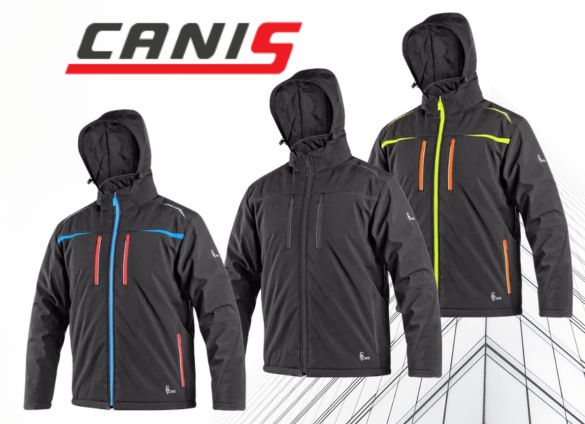
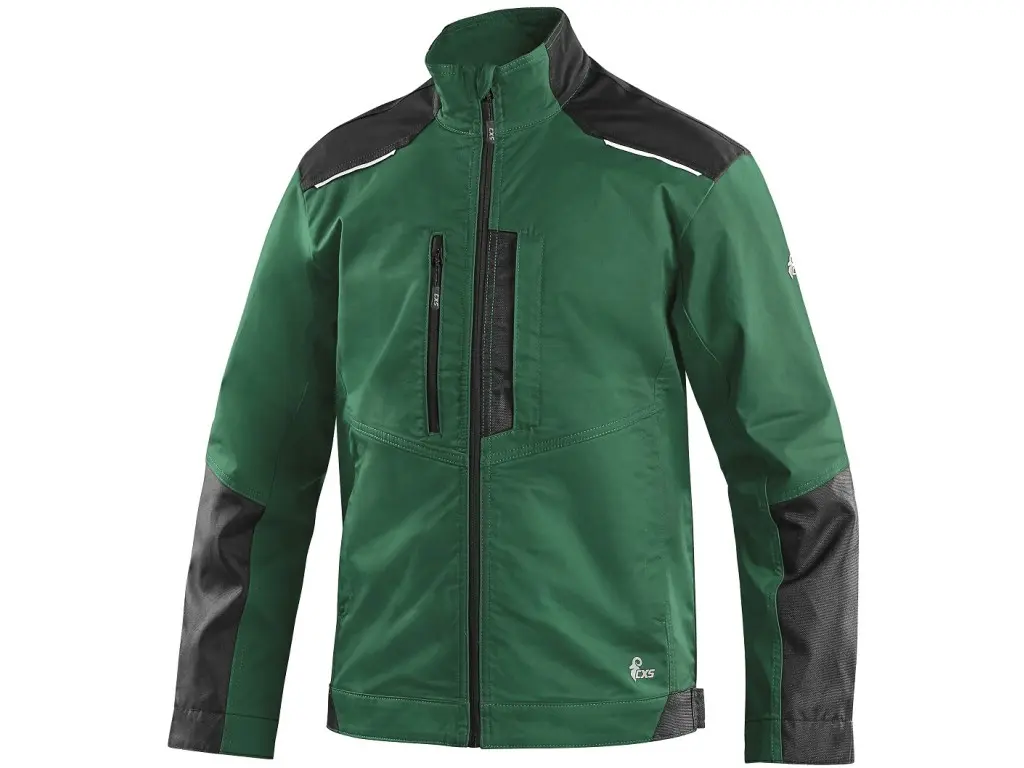
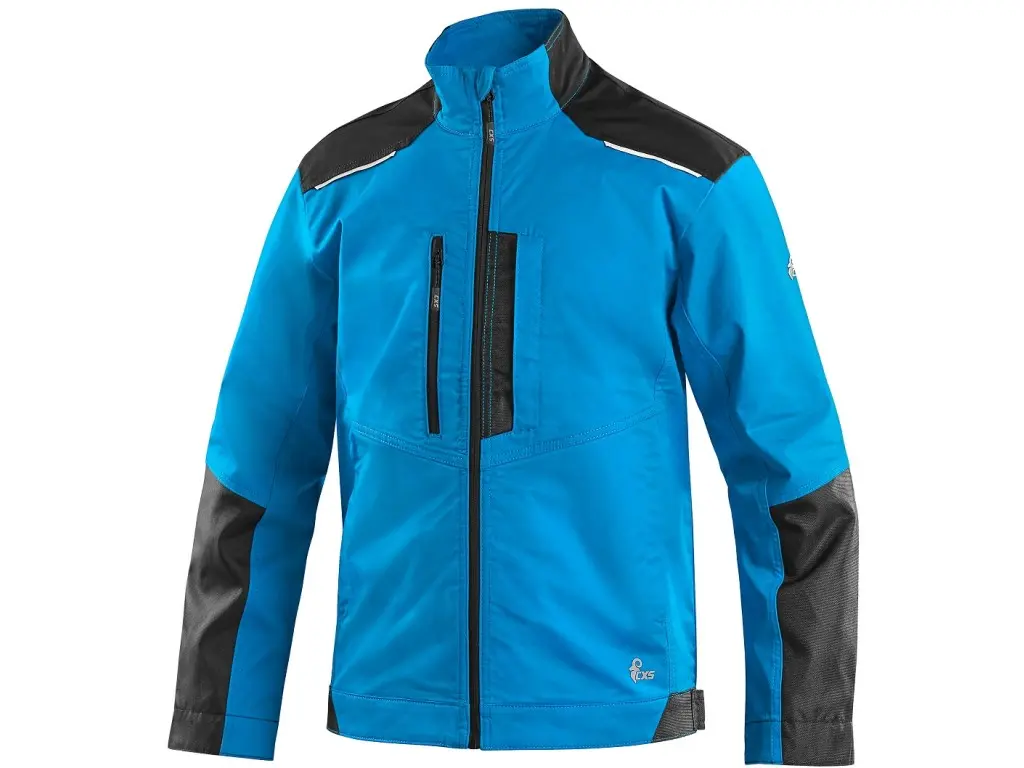
  • CXS Norfolk softshell – waterproof, windproof softshell with TPU membrane (up to 8,000 mm).

  • CXS DIGBY softshell – waterproof women’s softshell for rainy conditions.

Durability and Resistance — Workwear Built to Last

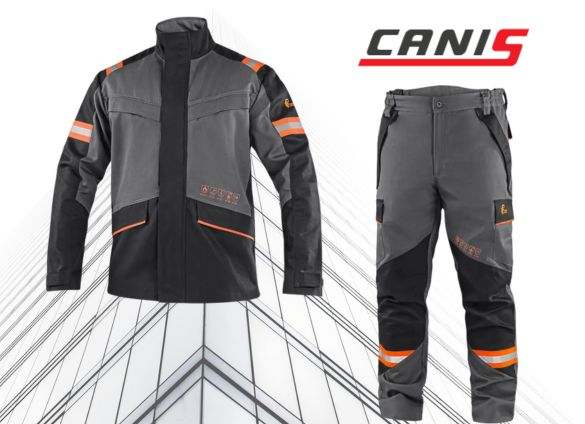
Heavy-duty workwear resistant to abrasion and demanding tasks

Durability is critical in demanding work conditions involving abrasion, dirt, sharp surfaces, and heavy tools.

  • High-quality fabrics resist tearing, friction, and chemicals.

  • Reinforced zones add protection to high-wear areas like knees and elbows.

  • Strong stitching increases the garment’s lifespan.

  • Durable items remain fully functional even after frequent washing.

  • Ergonomic design now complements industrial-grade toughness.

  • Investing in durable workwear reduces long-term costs and improves worker safety.

Examples from CXS / CANIS SAFETY:

  • CXS WorkTech-Multi jacket – multifunctional, flame-resistant, chemical-resistant jacket used in industrial and energy sectors.

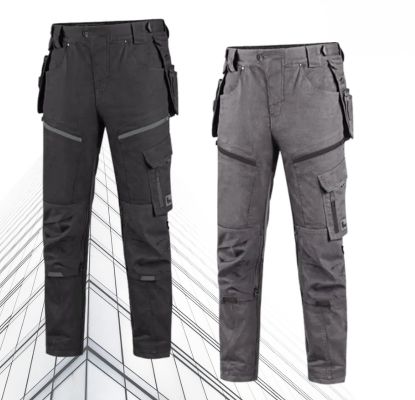
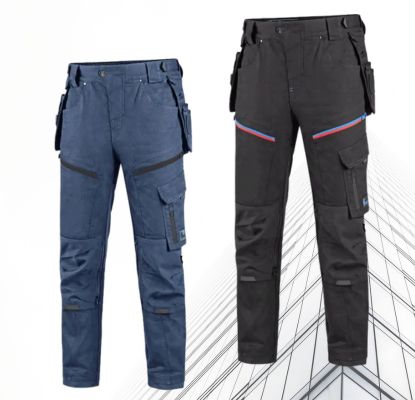
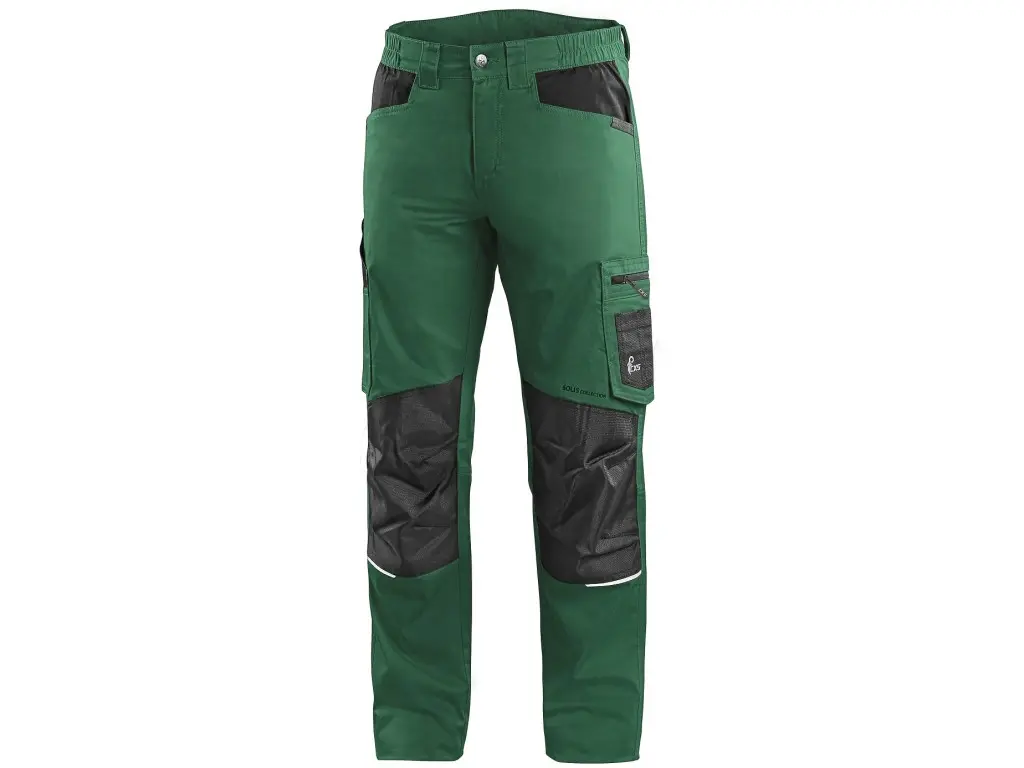
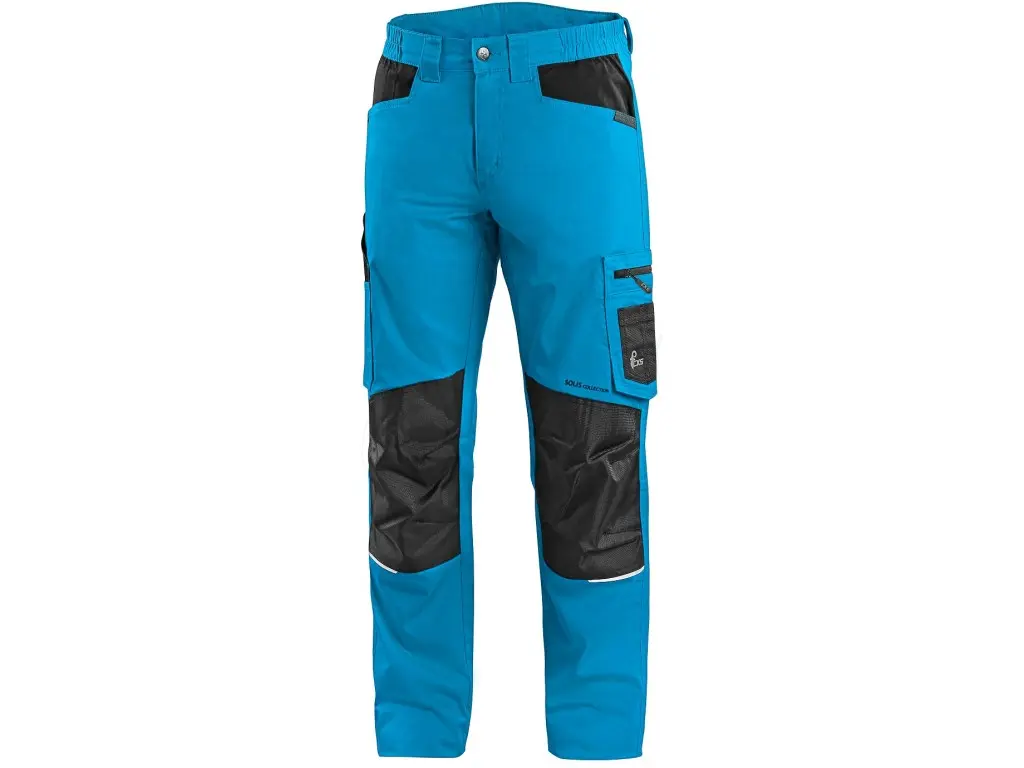
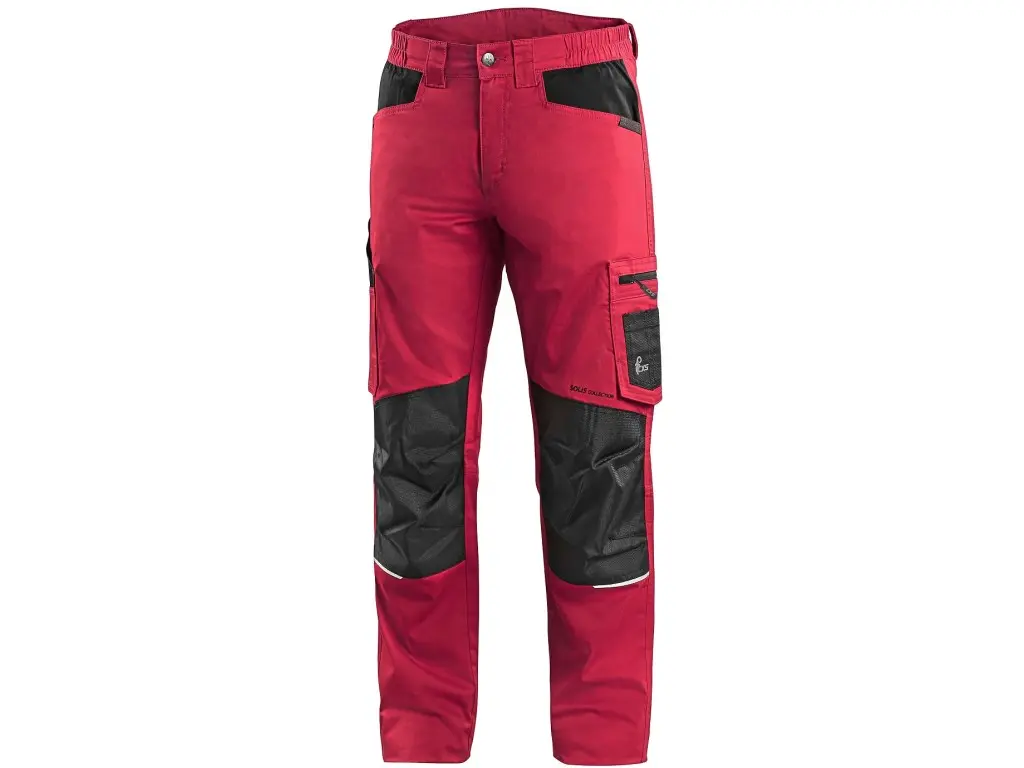
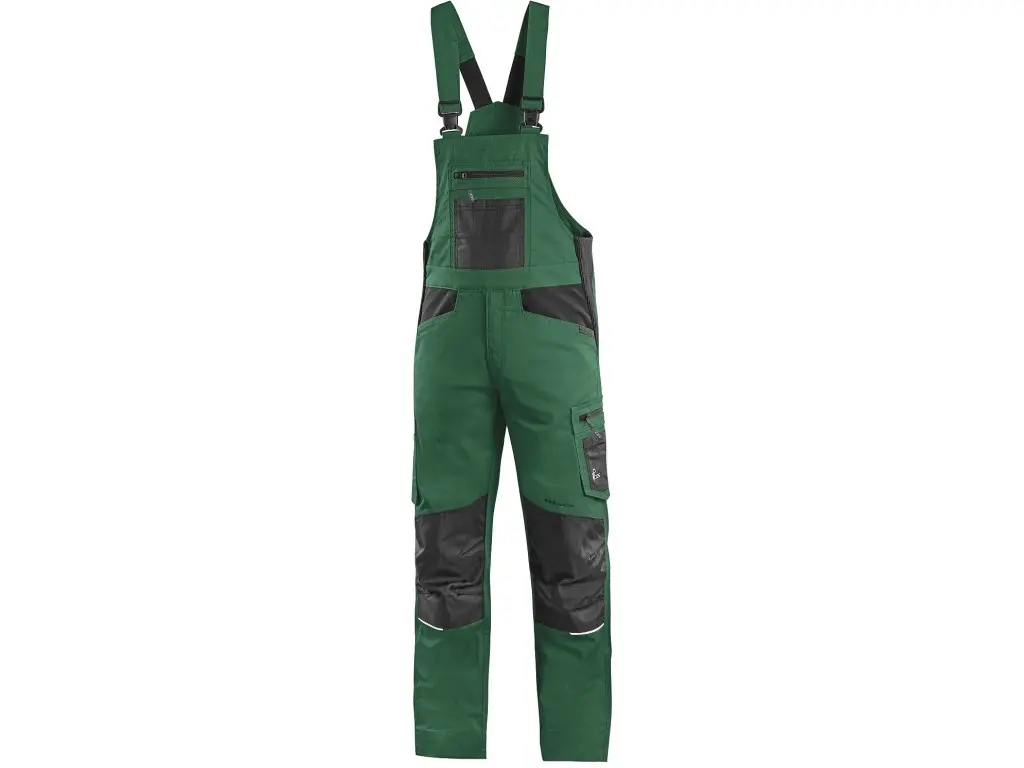
  • CXS Naos Work Trousers – flexible yet durable work trousers reinforced in critical areas.

The Ideal Combination: Hi-Vis + Waterproof + Durable

The most effective 2026 workwear integrates all three attributes into one functional set.

  • These garments provide year-round protection in almost every industry.

  • They combine safety, comfort, and long-term value.

  • Multi-protective workwear increases efficiency and reduces downtime.

  • They offer better adaptability during sudden weather changes.

  • Compliance with safety standards is easier when using combined-feature workwear.

  • Purchasing from one brand ensures compatible materials, fit, and protection.

Suggested CXS / CANIS SAFETY Sets:

  • Hi-vis + softshell: CXS BENSON / CXS HALIFAX

  • Stretch trousers + waterproof jacket: CXS Stretch + CXS Norfolk

High-visibility, waterproof, and durable workwear set for professionals

Summary — How to Choose the Right Workwear for 2026

The right workwear in 2026 is not just clothing – it is personal protective equipment that increases safety, comfort, and durability. When choosing workwear, focus on:

  • high-visibility properties,

  • waterproof and weather-resistant materials,

  • durable and reinforced fabrics,

  • ergonomic design and breathability,

  • industry-specific requirements.

CXS / CANIS SAFETY provides a strong range of products that meet these criteria, making them a solid choice for professional workplaces.

CHECKLIST

What to Look for When Choosing Workwear in 2026

High-Visibility (Hi-Vis)

✔ Bright fluorescent colors
✔ 360° reflective tapes
✔ Certified visibility standards
✔ Night and low-light visibility
✔ Suitable for construction, transport, logistics
✔ Can be combined with hi-vis trousers or vests

Waterproof & Weather Resistance

✔ Waterproof membrane (e.g., TPU)
✔ 5,000–8,000 mm water resistance
✔ Wind protection
✔ Sealed or taped seams
✔ Breathable fabric
✔ Suitable for all-season outdoor work

Durability & Mechanical Resistance

✔ Reinforced knees/elbows
✔ Abrasion-resistant fabrics
✔ Heavy-duty stitching
✔ Stretch materials for movement
✔ Chemical or flame resistance (if needed)
✔ Withstands frequent washing

Comfort & Ergonomics

✔ Flexible and non-restrictive fit
✔ Breathable or ventilated design
✔ Soft inner lining or fleece
✔ Adjustable cuffs, hem, and hood
✔ Practical pocket layout
✔ Lightweight construction

Industry-Specific Suitability

✔ Construction: hi-vis + waterproof + durable
✔ Logistics: lightweight + comfortable + reflective
✔ Energy sector: multifunctional protective clothing
✔ Transport: constant visibility
✔ Outdoor work: membrane + insulation
✔ Indoor work: breathable and mobile

Final Questions Before Buying

✔ Does it meet the required safety standards?
✔ Is it suitable for your working environment?
✔ Does it allow free movement?
✔ Is it compatible with shoes, helmets, and other PPE?
✔ Is the material durable enough for long-term use?
✔ Does the brand offer reliable sizing?

FAQ

Frequently Asked Questions About Choosing the Best Workwear

What type of workwear is best for hazardous environments?

The best workwear for hazardous environments should include certified protective clothing such as high-visibility jackets (EN ISO 20471), flame-retardant garments (EN ISO 11612), and anti-static materials (EN 1149). In environments with chemical or liquid exposure, waterproof or resistant layers are essential. Always choose products backed by proper certification and tailored to the specific risks of your workplace.

How do I choose the right size of workwear?

Proper sizing is crucial for safety and comfort. Measure chest, waist, hips, and inseam, and compare them with the manufacturer’s size chart. If you work in layered clothing, choose one size up. Workwear should allow free movement but not be excessively loose, as this may create safety hazards around machinery.

What materials are recommended for all-season workwear?

For year-round performance, choose breathable yet durable materials. Softshell fabrics work well for transitional weather, while polyester-cotton blends offer durability and daily comfort. In winter, insulated and waterproof materials provide warmth and protection. Look for moisture-wicking inner layers combined with windproof or waterproof outer layers.

Do high-visibility clothes need to be renewed regularly?

Yes. Hi-vis workwear loses effectiveness over time due to washing, dirt, sunlight and abrasion. If reflective tapes crack, fade or peel, the garment no longer meets safety standards. Most manufacturers recommend replacing high-visibility clothing every 6–12 months in heavy-use environments.

What makes waterproof workwear truly waterproof?

Waterproof protection depends on the material and seam construction. Look for garments made with membranes rated at least 5,000–10,000 mm water column, taped seams, and water-repellent coatings. Softshells are water-resistant, while jackets with full membranes provide true waterproof performance.

Is expensive workwear worth the investment?

In most cases — yes. High-quality workwear lasts longer, protects better, and offers greater comfort. Better fabrics, reinforced stitching, and certified protection reduce replacement frequency and improve worker safety. Over time, premium workwear often becomes more cost-effective.

Can workwear be customized with logos?

Yes. Most manufacturers allow logo printing or embroidery on jackets, hoodies, and trousers. However, customization must not cover reflective elements or compromise certified safety standards. Always check placement guidelines before adding branding.

What certifications should I look for when buying workwear?

Common and important certifications include:

  • EN ISO 20471 – high-visibility

  • EN ISO 20345 / 20347 – footwear standards

  • EN 343 – protection against rain

  • EN 11612 / 11611 – flame protection

  • EN 1149 – antistatic properties
    Always ensure the product label shows the correct EN standard relevant to your industry.

How do I maintain waterproof and breathable clothing?

Wash the garments according to the label using mild detergent, avoid fabric softeners, and tumble dry on low heat when possible to reactivate the water-repellent coating. Reapply DWR (Durable Water Repellent) spray if water stops beading on the surface.

Shop The 5 Biggest Safety Shoe Trends for 2026

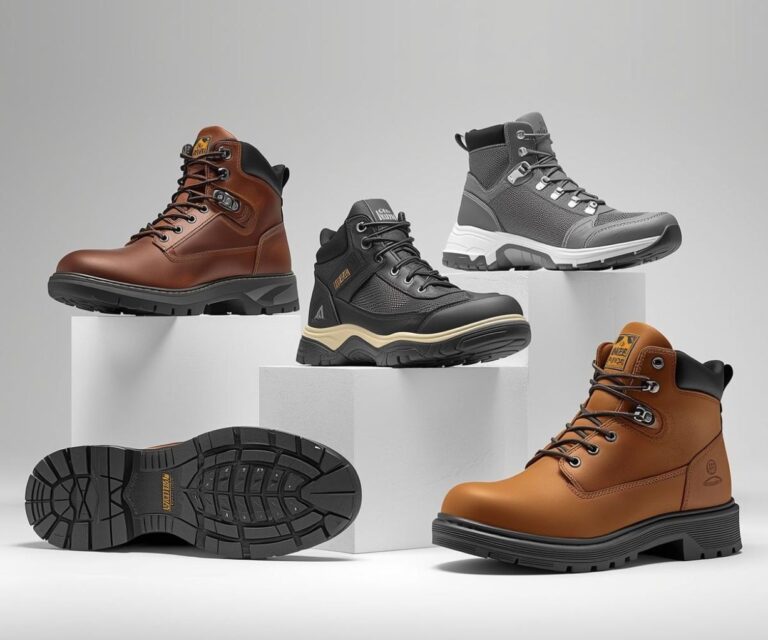
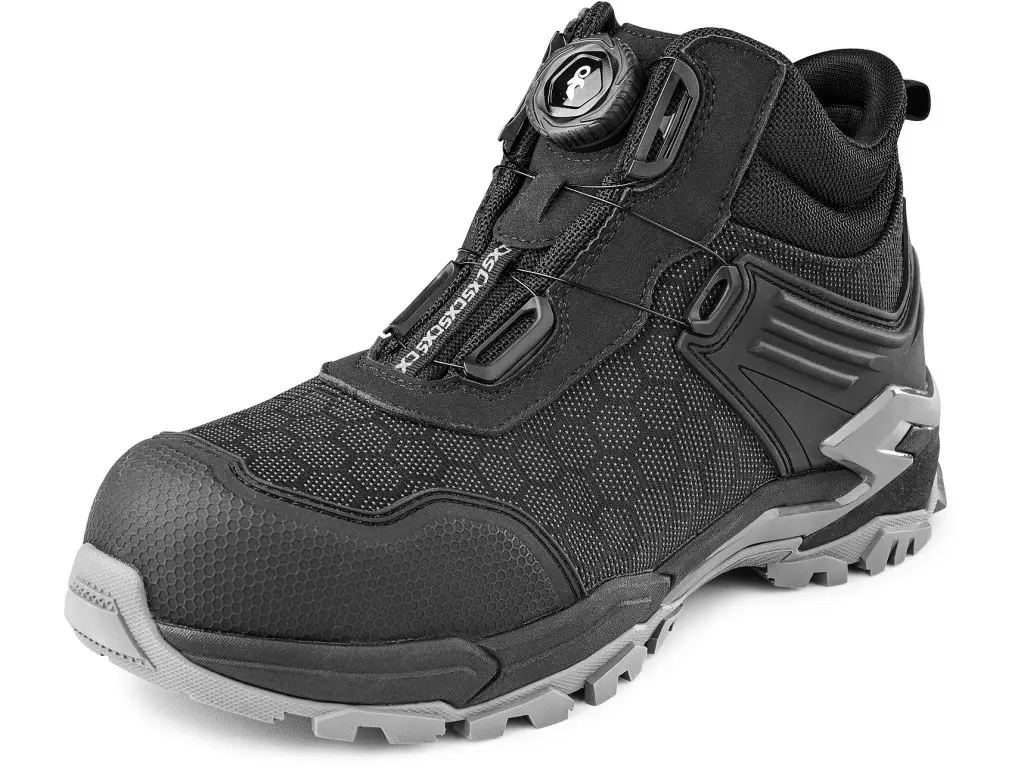
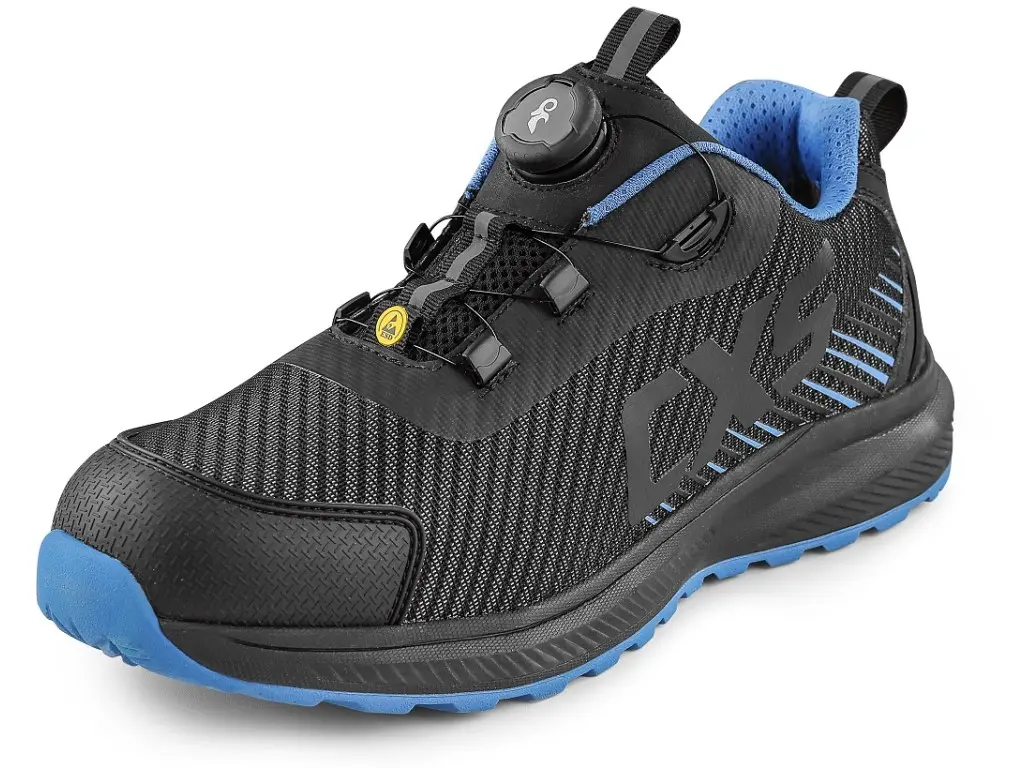
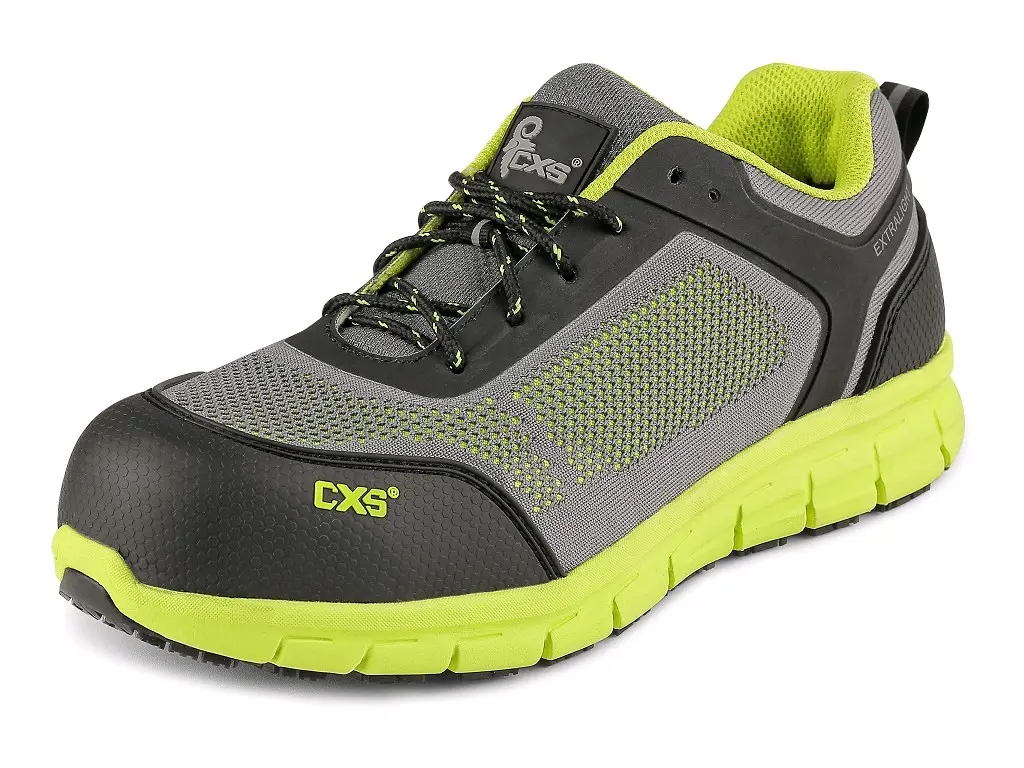
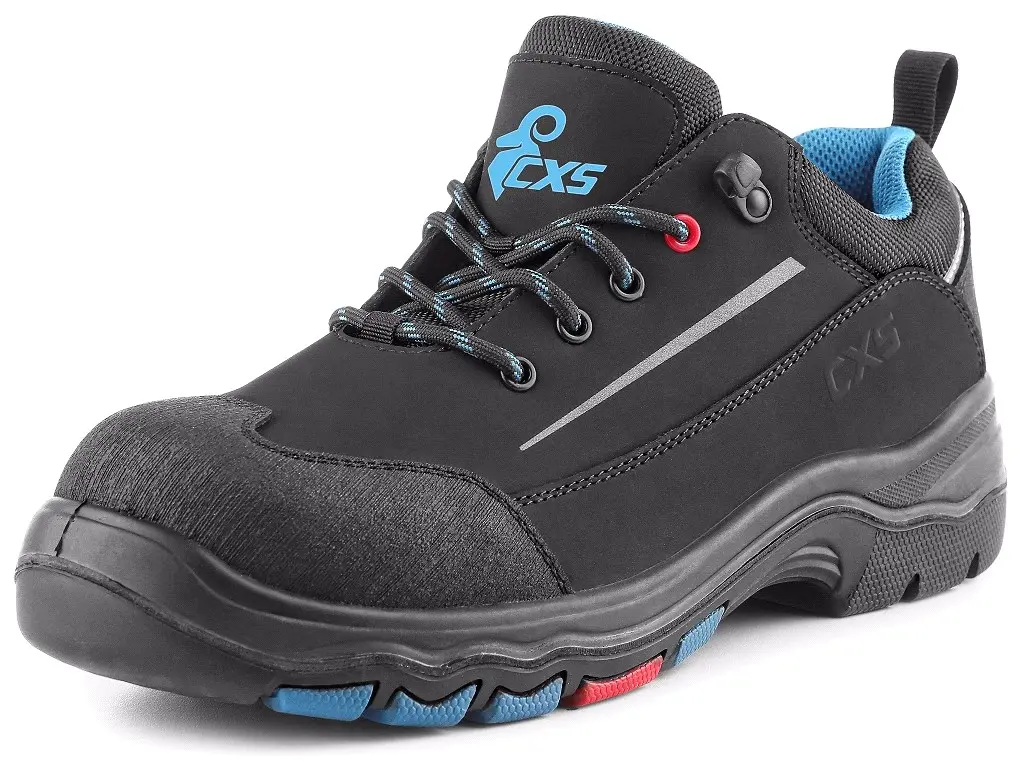
Overview of the 5 biggest safety shoe trends for 2025, including lightweight, waterproof, and anti-slip designs

The safety footwear industry is evolving faster than ever, driven by innovative materials, enhanced ergonomics and a growing demand for comfort. Modern workers expect not only protection but also lightweight construction, breathability and a more athletic look. In 2026, the market is dominated by five major trends that significantly improve both safety and everyday comfort. In this article, we present the 5 biggest safety shoe trends you should know before choosing your next pair. These trends are shaping the future of workplace footwear across construction, logistics, warehousing and industrial environments.

1. Ultra-Lightweight S1/S3 Shoes with Composite Toe Caps

Composite toe caps are replacing steel in many modern safety shoes due to their lightweight construction and high durability. They reduce overall fatigue during long work shifts, especially for employees who move frequently. Composite materials do not conduct heat or cold, offering improved thermal comfort in changing weather conditions. These shoes also provide greater flexibility compared to traditional steel-toe models, making movement easier and more natural. Despite their light weight, composite toe caps fully meet S1 and S3 safety standards, ensuring complete protection. In 2026, they are especially popular in logistics, production, warehousing and transport. This trend strongly reflects the industry’s shift toward comfort without compromising safety.

2. Safety Sneakers with a Sport-Inspired Look

Safety sneakers merge modern athletic style with certified workplace protection, becoming one of the most popular categories in 2026. They resemble traditional lifestyle sneakers, yet meet S1P or S3 safety requirements. Their design often includes flexible uppers, cushioned midsoles and lightweight materials used in professional running shoes. This results in a very high level of everyday comfort for workers who stay active throughout the day. Safety sneakers are ideal in warehouses, courier services, retail environments and light industry. Many models also provide excellent breathability, making them suitable for warm work environments. For employees who value both style and safety, safety sneakers are an unbeatable choice.

3. Maximum Cushioning and Anti-Fatigue Technology

Safety shoes with enhanced cushioning technology are becoming standard across multiple industries. EVA and dual-density PU midsoles offer effective shock absorption and reduce the strain on joints. The anti-fatigue systems used in modern footwear help support natural foot movement and decrease fatigue during long work shifts. These shoes are especially beneficial for workers standing on concrete or other hard industrial surfaces. The cushioning technology minimizes micro-shocks that accumulate throughout the day, improving overall comfort. Employees report reduced foot and leg fatigue, which positively affects work performance and well-being. In 2026, many brands adapt technologies from running shoes to meet the needs of the safety footwear sector.

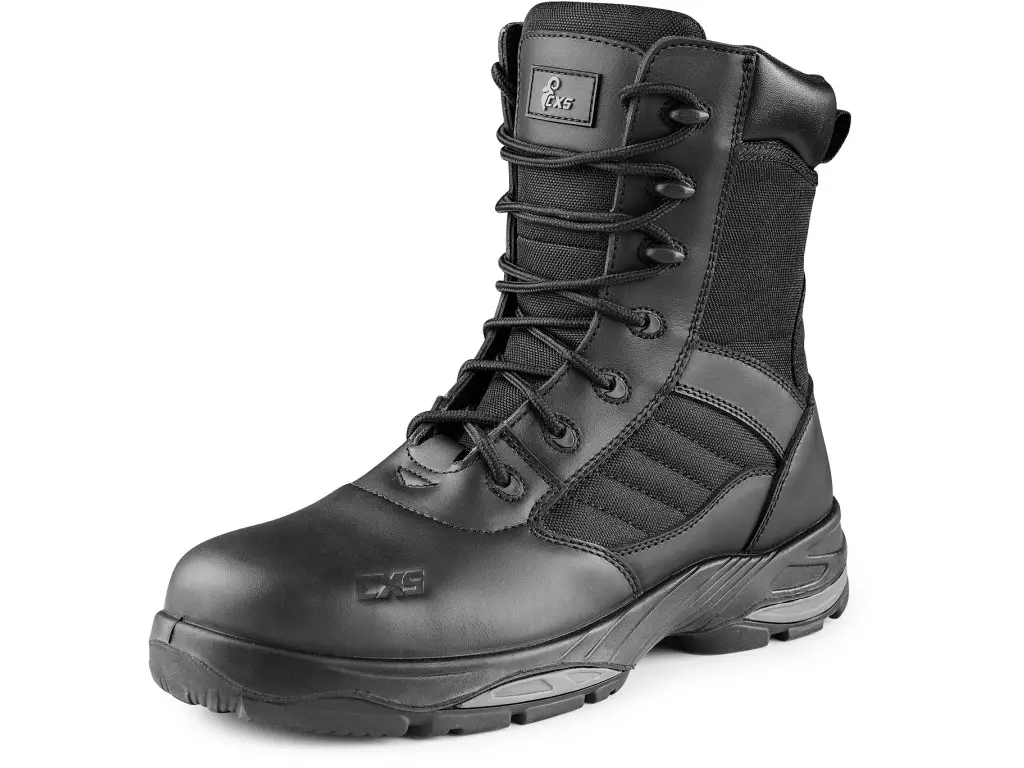
4. Waterproof and Breathable Safety Boots

In construction, logistics and outdoor work environments, S3 WR waterproof safety boots are becoming increasingly essential. New-generation waterproof membranes offer both moisture protection and high breathability. This keeps the foot dry not only during rain but also during periods of intense activity. Many models feature a higher upper design, providing additional defense against water, mud and dirt. Waterproof safety boots also tend to be more durable, using abrasion-resistant materials that extend their lifespan. Workers appreciate their versatility, as they perform well both indoors and outdoors. This trend is one of the most practical developments in safety footwear for 2026.

5. SRC Slip-Resistant Footwear for Hazardous Surfaces

SRC-certified outsoles are essential for workplaces requiring maximum traction on slippery surfaces. These safety shoes undergo rigorous testing on wet and oily floors to ensure their anti-slip performance. In 2026, manufacturers are using new rubber compounds and innovative tread patterns that significantly improve grip. Slip-resistant shoes are widely used in logistics, industry, warehousing, gastronomy and maintenance sectors. Their modern construction is also becoming lighter, enhancing comfort without reducing stability. Many companies now consider SRC-certified shoes mandatory equipment due to the reduction in slip-related accidents. This trend plays a crucial role in improving workplace safety across various industries.

The biggest safety shoe trends of 2026 focus on lightweight design, comfort and maximum protection. Composite toe caps, sport-style construction, advanced cushioning, waterproof membranes and SRC-certified traction significantly enhance daily work conditions. When choosing new safety shoes, it’s worth selecting models that incorporate modern solutions increasing both comfort and safety. These trends clearly show that professional footwear is no longer only about protection – it’s about smarter, more ergonomic design for everyday performance.