Category WORKWEAR

High-Visibility, Waterproof, Durable: Best Workwear for 2026
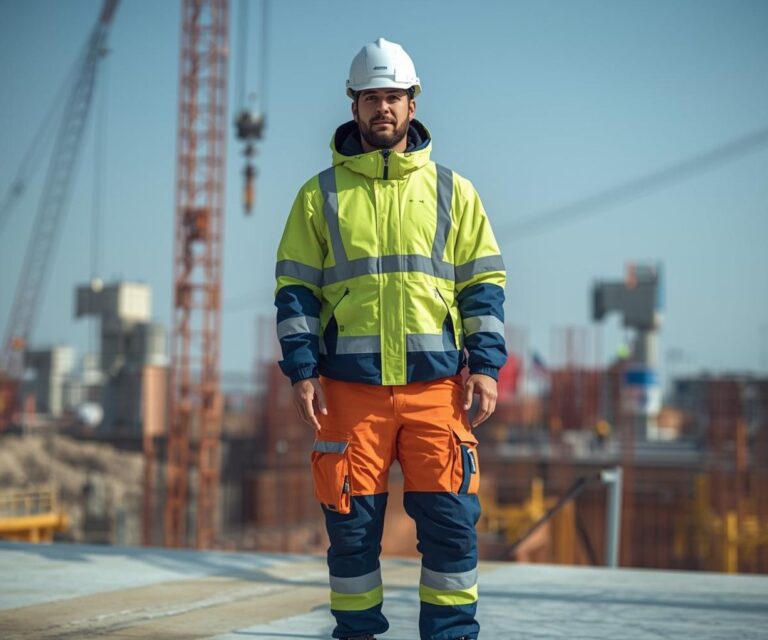
Worker wearing high-visibility, waterproof, and durable workwear in industrial setting – top workwear trends 2025

In 2026, professional workwear is defined by three essential features: high visibility, waterproof performance, and exceptional durability. Modern workplaces – construction sites, logistics hubs, warehouses, transport routes, and outdoor environments – require clothing that protects the worker while improving comfort and efficiency. This article explains why these features matter and presents real examples from the CXS / CANIS SAFETY brand.

Why High-Visibility Workwear Matters in 2026

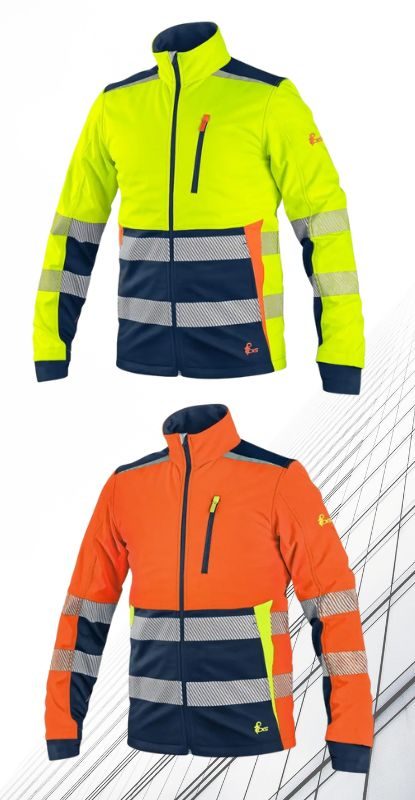
high-visibility jacket with reflective tapes for safety

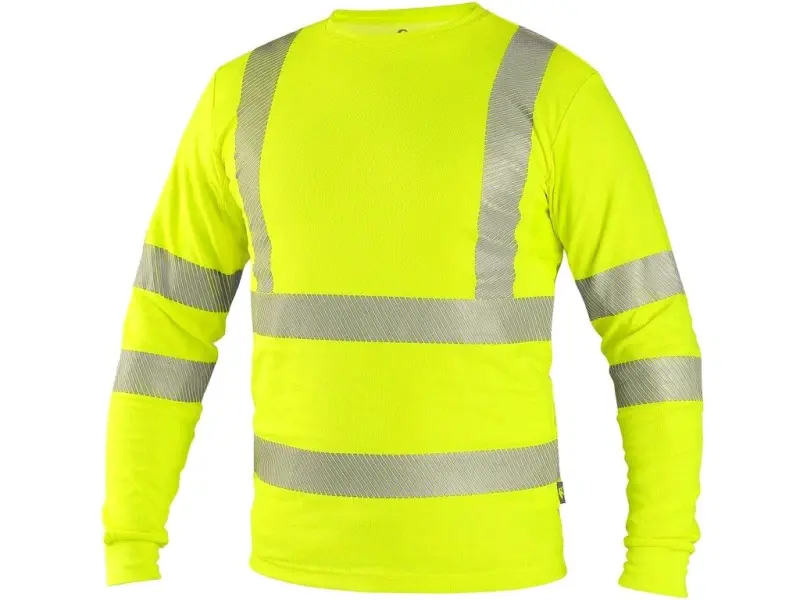
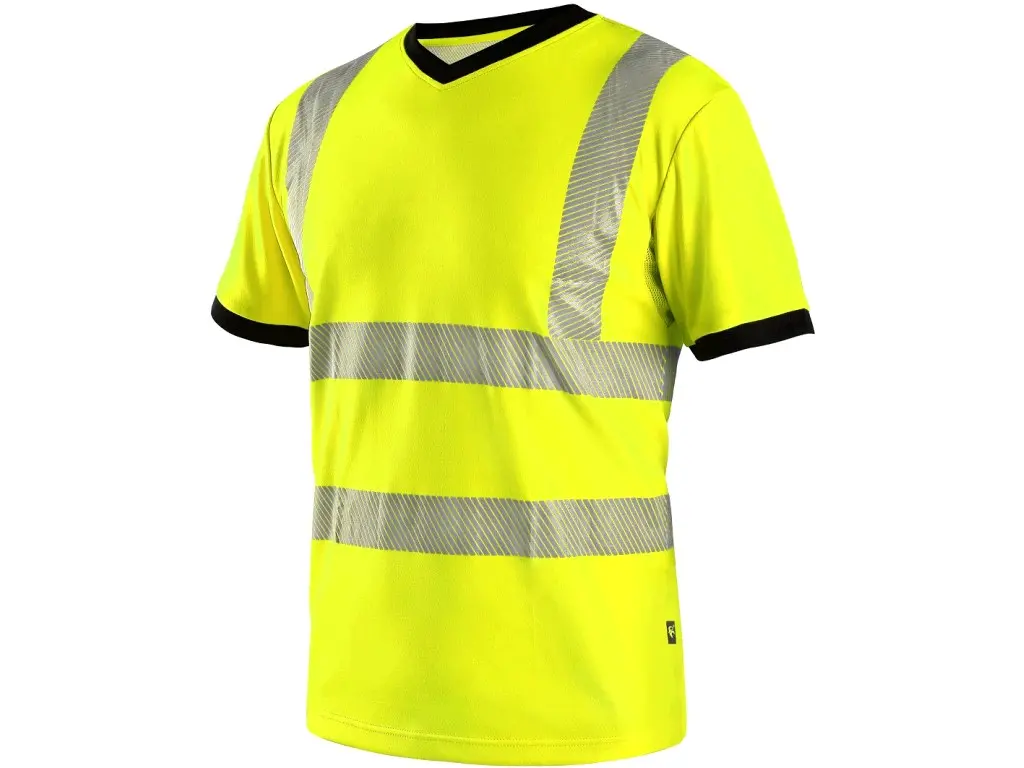
High-visibility clothing significantly reduces the risk of accidents by ensuring workers are clearly seen in low-light, high-traffic, or hazardous environments.

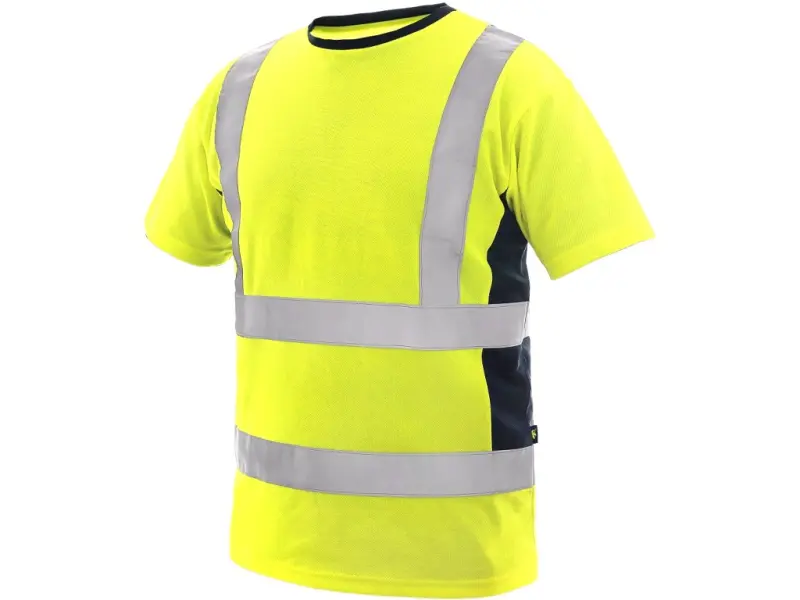
  • Hi-vis fabrics and reflective tapes ensure workers are visible from all directions.

  • This is essential for construction sites, road work, transport operations, and warehouse logistics.

  • Visibility helps prevent collisions with machines, forklifts, and vehicles.

  • High-visibility garments are often compliant with safety visibility standards.

  • They enhance team coordination by making workers easily identifiable.

  • In 2026, more industries require hi-vis as a mandatory standard, increasing its importance.


Examples from CXS / CANIS SAFETY:

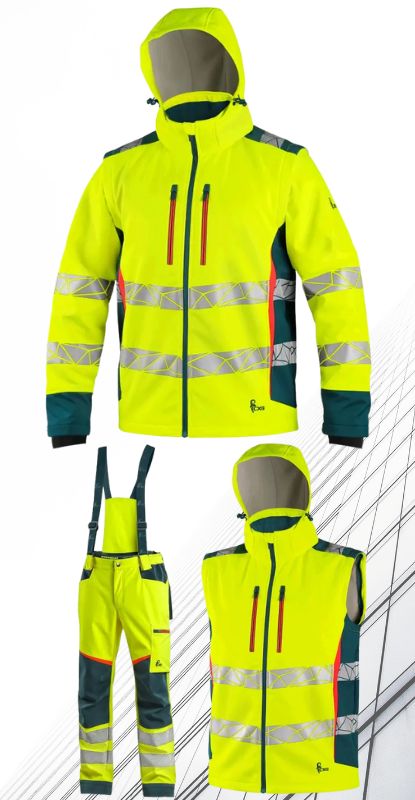
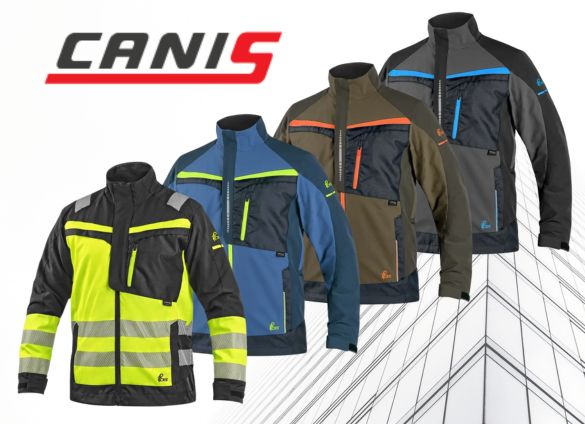
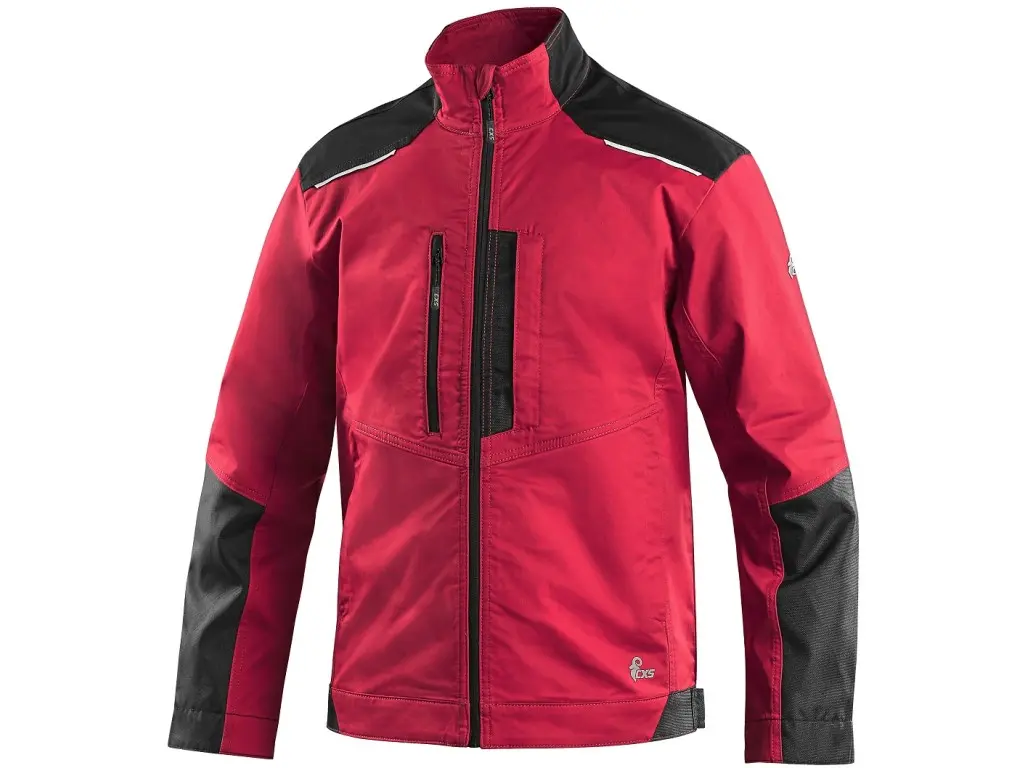
  • CXS BENSON softshell – high-visibility softshell with reflective tapes, wind and water resistance.

  • CXS BEDFORD high-visibility jacket – ideal for roadwork and construction zones.

high-visibility WORKWEAR with reflective tapes for safety

Waterproof Workwear — Essential for All-Weather Protection

Outdoor jobs expose workers to rain, moisture, and wind, making waterproof performance a key requirement.

  • Waterproof membranes protect against heavy rain while maintaining breathability.

  • Workers stay dry and warm even in unpredictable weather.

  • Waterproof fabrics often include wind resistance, increasing comfort.

  • Laminated seams improve long-term protection.

  • Softshells are increasingly popular due to flexibility, comfort, and weather resistance.

  • Waterproof workwear is now considered an all-season standard.

Examples from CXS / CANIS SAFETY:

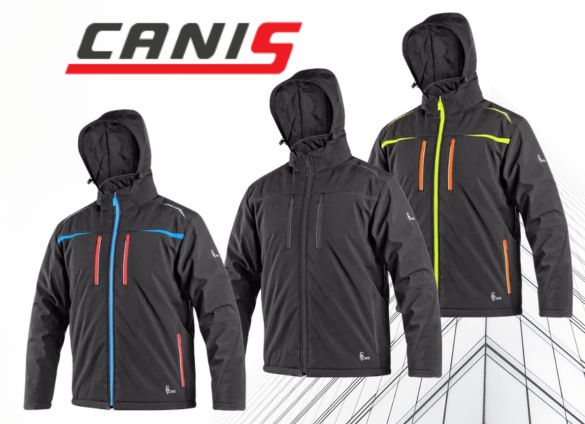
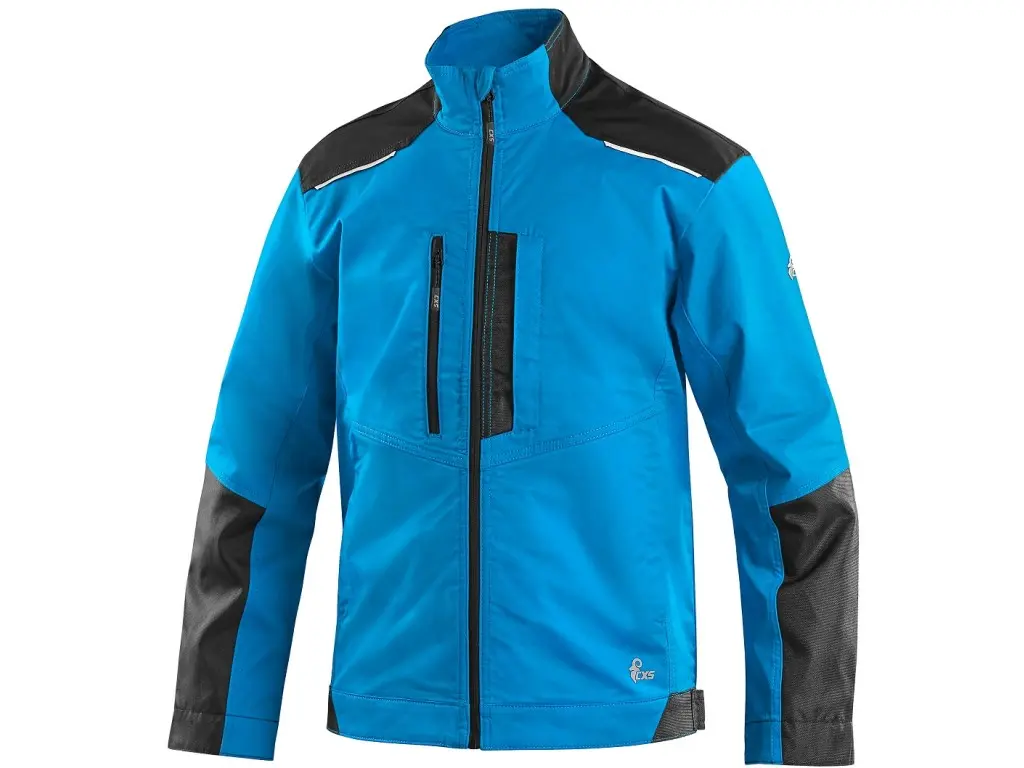
  • CXS Norfolk softshell – waterproof, windproof softshell with TPU membrane (up to 8,000 mm).

  • CXS DIGBY softshell – waterproof women’s softshell for rainy conditions.

Durability and Resistance — Workwear Built to Last

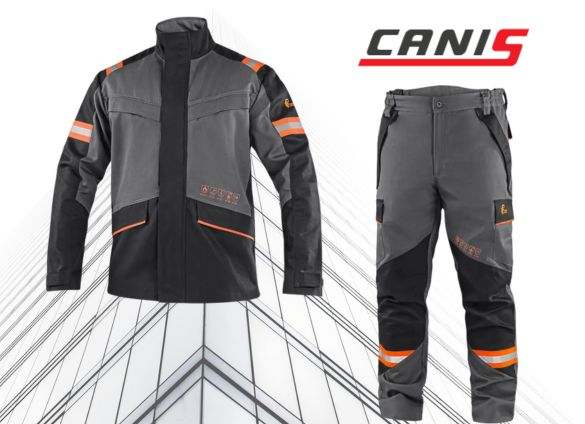
Heavy-duty workwear resistant to abrasion and demanding tasks

Durability is critical in demanding work conditions involving abrasion, dirt, sharp surfaces, and heavy tools.

  • High-quality fabrics resist tearing, friction, and chemicals.

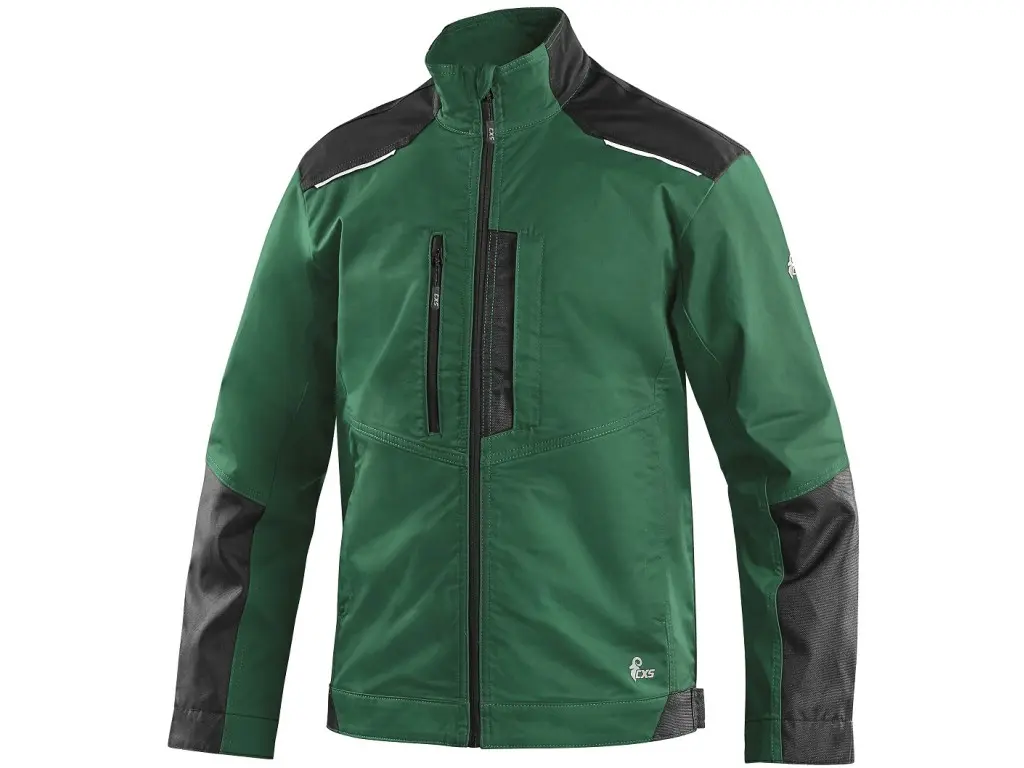
  • Reinforced zones add protection to high-wear areas like knees and elbows.

  • Strong stitching increases the garment’s lifespan.

  • Durable items remain fully functional even after frequent washing.

  • Ergonomic design now complements industrial-grade toughness.

  • Investing in durable workwear reduces long-term costs and improves worker safety.

Examples from CXS / CANIS SAFETY:

  • CXS WorkTech-Multi jacket – multifunctional, flame-resistant, chemical-resistant jacket used in industrial and energy sectors.

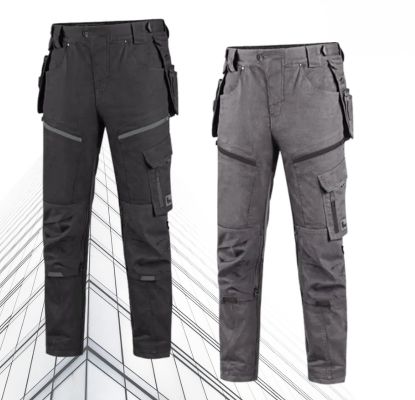
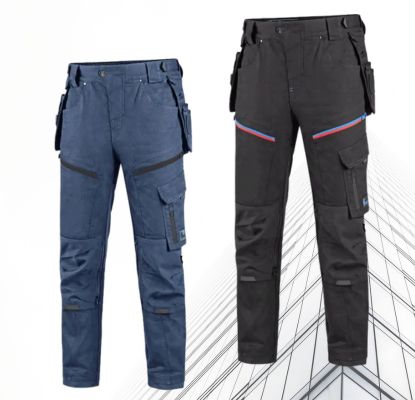
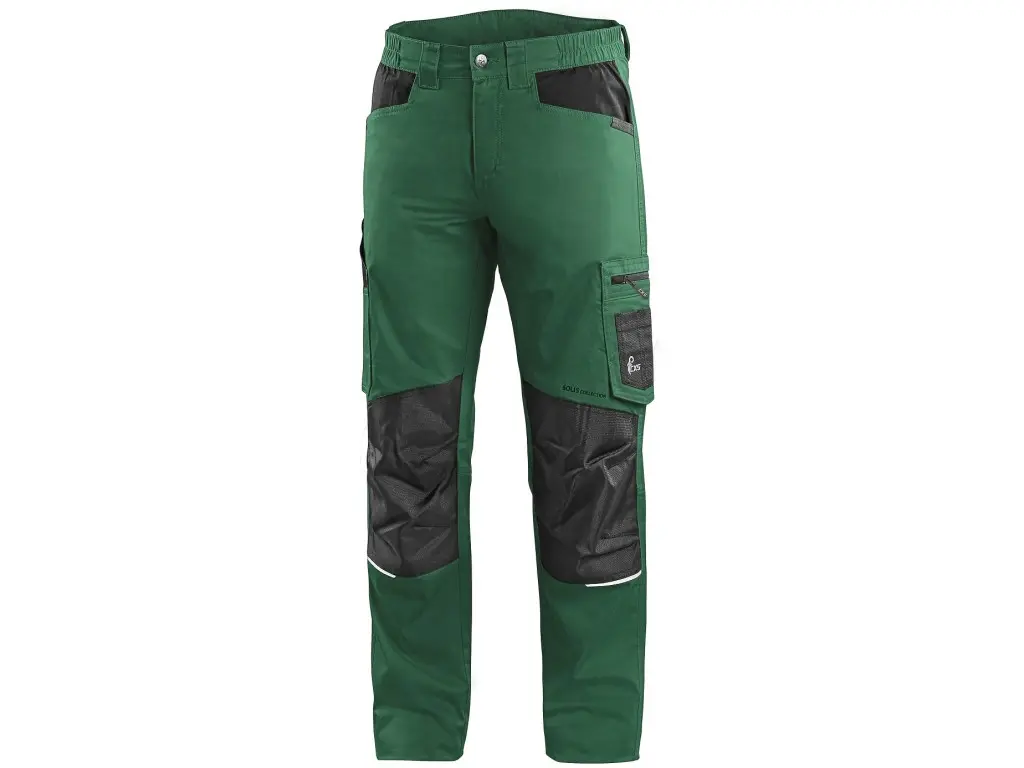
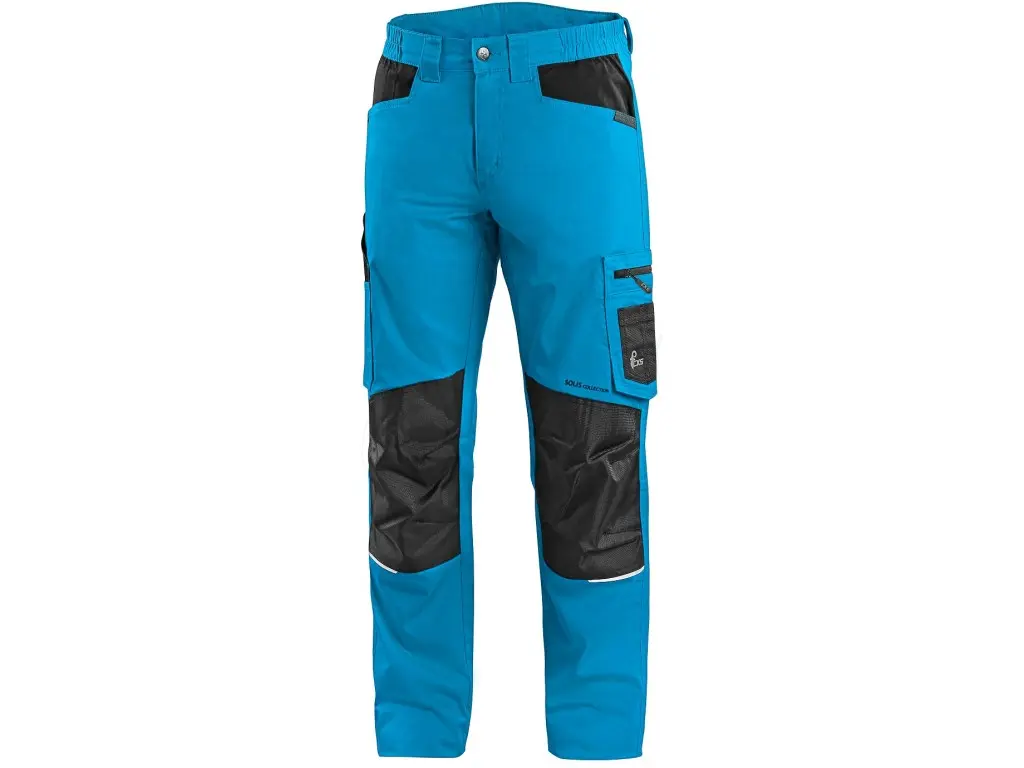
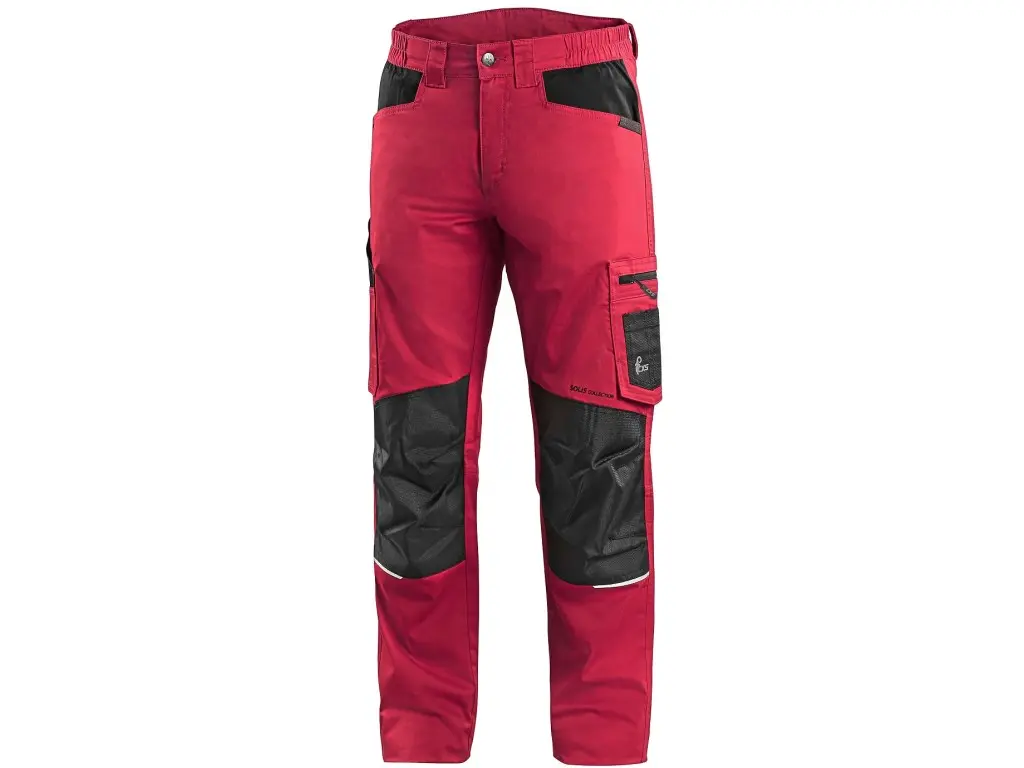
  • CXS Naos Work Trousers – flexible yet durable work trousers reinforced in critical areas.

The Ideal Combination: Hi-Vis + Waterproof + Durable

The most effective 2026 workwear integrates all three attributes into one functional set.

  • These garments provide year-round protection in almost every industry.

  • They combine safety, comfort, and long-term value.

  • Multi-protective workwear increases efficiency and reduces downtime.

  • They offer better adaptability during sudden weather changes.

  • Compliance with safety standards is easier when using combined-feature workwear.

  • Purchasing from one brand ensures compatible materials, fit, and protection.

Suggested CXS / CANIS SAFETY Sets:

  • Hi-vis + softshell: CXS BENSON / CXS HALIFAX

  • Stretch trousers + waterproof jacket: CXS Stretch + CXS Norfolk

High-visibility, waterproof, and durable workwear set for professionals

Summary — How to Choose the Right Workwear for 2026

The right workwear in 2026 is not just clothing – it is personal protective equipment that increases safety, comfort, and durability. When choosing workwear, focus on:

  • high-visibility properties,

  • waterproof and weather-resistant materials,

  • durable and reinforced fabrics,

  • ergonomic design and breathability,

  • industry-specific requirements.

CXS / CANIS SAFETY provides a strong range of products that meet these criteria, making them a solid choice for professional workplaces.

CHECKLIST

What to Look for When Choosing Workwear in 2026

High-Visibility (Hi-Vis)

✔ Bright fluorescent colors
✔ 360° reflective tapes
✔ Certified visibility standards
✔ Night and low-light visibility
✔ Suitable for construction, transport, logistics
✔ Can be combined with hi-vis trousers or vests

Waterproof & Weather Resistance

✔ Waterproof membrane (e.g., TPU)
✔ 5,000–8,000 mm water resistance
✔ Wind protection
✔ Sealed or taped seams
✔ Breathable fabric
✔ Suitable for all-season outdoor work

Durability & Mechanical Resistance

✔ Reinforced knees/elbows
✔ Abrasion-resistant fabrics
✔ Heavy-duty stitching
✔ Stretch materials for movement
✔ Chemical or flame resistance (if needed)
✔ Withstands frequent washing

Comfort & Ergonomics

✔ Flexible and non-restrictive fit
✔ Breathable or ventilated design
✔ Soft inner lining or fleece
✔ Adjustable cuffs, hem, and hood
✔ Practical pocket layout
✔ Lightweight construction

Industry-Specific Suitability

✔ Construction: hi-vis + waterproof + durable
✔ Logistics: lightweight + comfortable + reflective
✔ Energy sector: multifunctional protective clothing
✔ Transport: constant visibility
✔ Outdoor work: membrane + insulation
✔ Indoor work: breathable and mobile

Final Questions Before Buying

✔ Does it meet the required safety standards?
✔ Is it suitable for your working environment?
✔ Does it allow free movement?
✔ Is it compatible with shoes, helmets, and other PPE?
✔ Is the material durable enough for long-term use?
✔ Does the brand offer reliable sizing?

FAQ

Frequently Asked Questions About Choosing the Best Workwear

What type of workwear is best for hazardous environments?

The best workwear for hazardous environments should include certified protective clothing such as high-visibility jackets (EN ISO 20471), flame-retardant garments (EN ISO 11612), and anti-static materials (EN 1149). In environments with chemical or liquid exposure, waterproof or resistant layers are essential. Always choose products backed by proper certification and tailored to the specific risks of your workplace.

How do I choose the right size of workwear?

Proper sizing is crucial for safety and comfort. Measure chest, waist, hips, and inseam, and compare them with the manufacturer’s size chart. If you work in layered clothing, choose one size up. Workwear should allow free movement but not be excessively loose, as this may create safety hazards around machinery.

What materials are recommended for all-season workwear?

For year-round performance, choose breathable yet durable materials. Softshell fabrics work well for transitional weather, while polyester-cotton blends offer durability and daily comfort. In winter, insulated and waterproof materials provide warmth and protection. Look for moisture-wicking inner layers combined with windproof or waterproof outer layers.

Do high-visibility clothes need to be renewed regularly?

Yes. Hi-vis workwear loses effectiveness over time due to washing, dirt, sunlight and abrasion. If reflective tapes crack, fade or peel, the garment no longer meets safety standards. Most manufacturers recommend replacing high-visibility clothing every 6–12 months in heavy-use environments.

What makes waterproof workwear truly waterproof?

Waterproof protection depends on the material and seam construction. Look for garments made with membranes rated at least 5,000–10,000 mm water column, taped seams, and water-repellent coatings. Softshells are water-resistant, while jackets with full membranes provide true waterproof performance.

Is expensive workwear worth the investment?

In most cases — yes. High-quality workwear lasts longer, protects better, and offers greater comfort. Better fabrics, reinforced stitching, and certified protection reduce replacement frequency and improve worker safety. Over time, premium workwear often becomes more cost-effective.

Can workwear be customized with logos?

Yes. Most manufacturers allow logo printing or embroidery on jackets, hoodies, and trousers. However, customization must not cover reflective elements or compromise certified safety standards. Always check placement guidelines before adding branding.

What certifications should I look for when buying workwear?

Common and important certifications include:

  • EN ISO 20471 – high-visibility

  • EN ISO 20345 / 20347 – footwear standards

  • EN 343 – protection against rain

  • EN 11612 / 11611 – flame protection

  • EN 1149 – antistatic properties
    Always ensure the product label shows the correct EN standard relevant to your industry.

How do I maintain waterproof and breathable clothing?

Wash the garments according to the label using mild detergent, avoid fabric softeners, and tumble dry on low heat when possible to reactivate the water-repellent coating. Reapply DWR (Durable Water Repellent) spray if water stops beading on the surface.